What Tools Automate Interview Scheduling, Scoring, and Follow-ups?
Interview scheduling, candidate evaluation, and follow-up communication no longer have to consume hours of a recruiter’s day. Modern hiring teams rely on automation tools that streamline every stage of the interview process – from coordinating calendars and sending reminders to scoring candidate responses and collecting feedback.
Solutions such as video interviewing platforms, recruiting automation software, and applicant tracking systems (ATS) use AI, workflow automation, and seamless integrations to reduce manual work, accelerate hiring decisions, and create a more efficient experience for both recruiters and candidates.
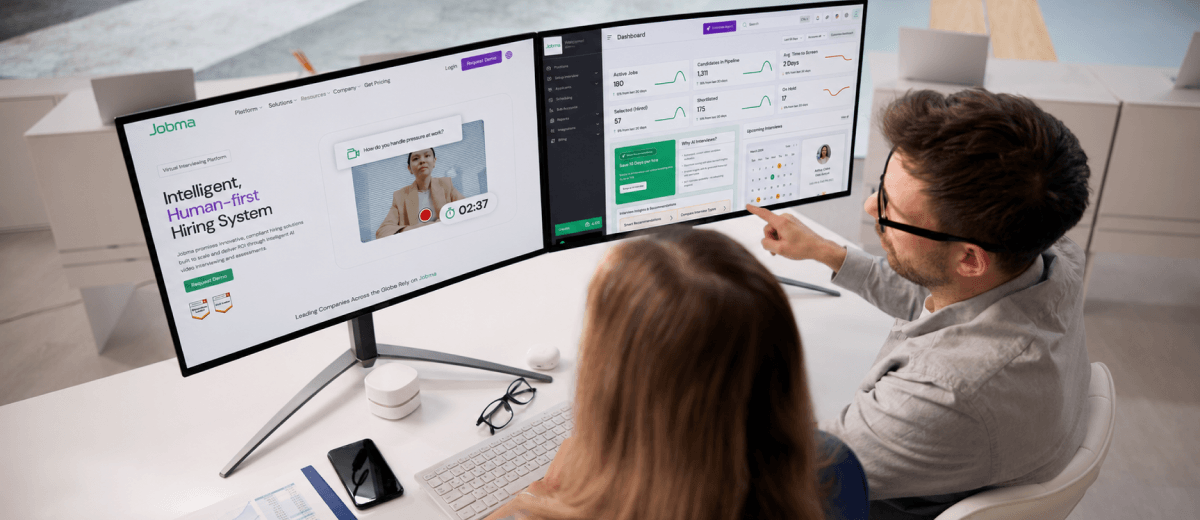
Video interviewing platforms such as Jobma combine these capabilities in a single solution, helping recruiters schedule interviews, evaluate candidates using AI scoring, and automate follow-up communication without relying on multiple disconnected tools.
Recruiters spend countless hours coordinating interviews, evaluating candidates, and sending reminders. As hiring volumes grow, these manual tasks become difficult to manage and can slow down the entire recruitment process.
The Reality of the Manual Interview Process
1. Endless Scheduling Back-and-Forth
Lining up interviews often means sending multiple emails to find a time that works for candidates, recruiters, and hiring managers. By the time everyone agrees on a slot, candidates may have already moved on to other opportunities.
2. Inconsistent Candidate Scoring
Without a standardized evaluation process, feedback varies from interviewer to interviewer. Comparing candidates becomes difficult, especially when hiring across multiple roles, departments, or locations.
3. Follow-Ups Fall Through the Cracks
Candidates may start an interview and leave before completing it. Interviewers can forget to submit feedback, and recruiters end up spending valuable time chasing responses instead of focusing on hiring.

How Jobma Handles It
1. Connect Calendars and Set Availability
Jobma integrates with Google Calendar and Microsoft Outlook, allowing recruiters and interviewers to connect their calendars and define available interview slots. Availability stays up to date automatically, eliminating the need for manual scheduling coordination.
2. Let Candidates Self-Schedule
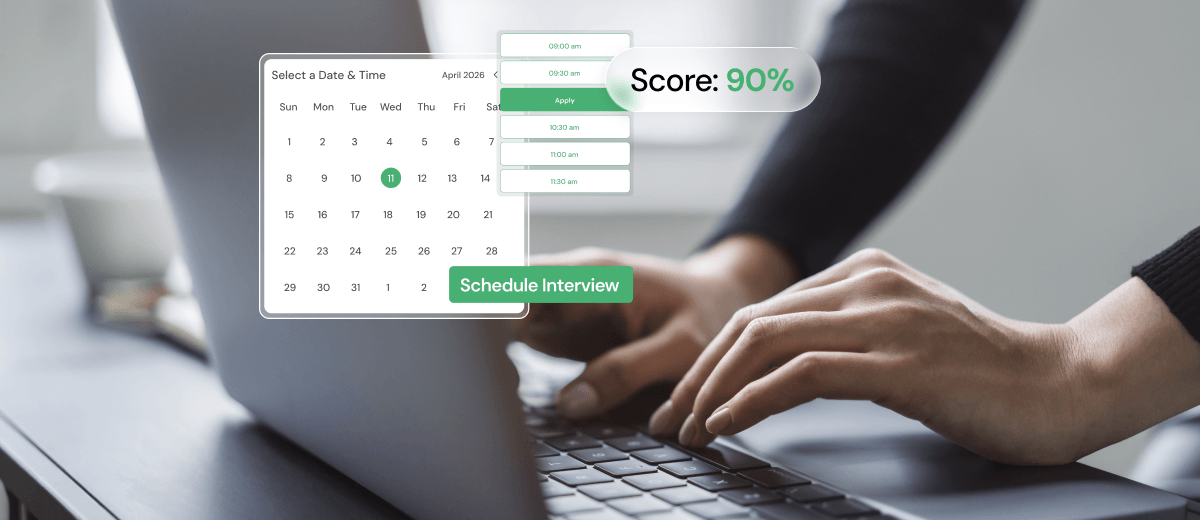
Instead of exchanging emails or hopping onto calls, candidates can select a time that works for them from available interview slots. Time zones are set by the recruiters, making scheduling easier for global hiring teams.
3. Send Invites and Automated Reminders
Once an interview is scheduled, Jobma automatically sends invitations and reminders to candidates and interviewers. Everyone receives the information they need without requiring manual follow-up from recruiters.
4. AI Scoring for Faster Candidate Evaluation
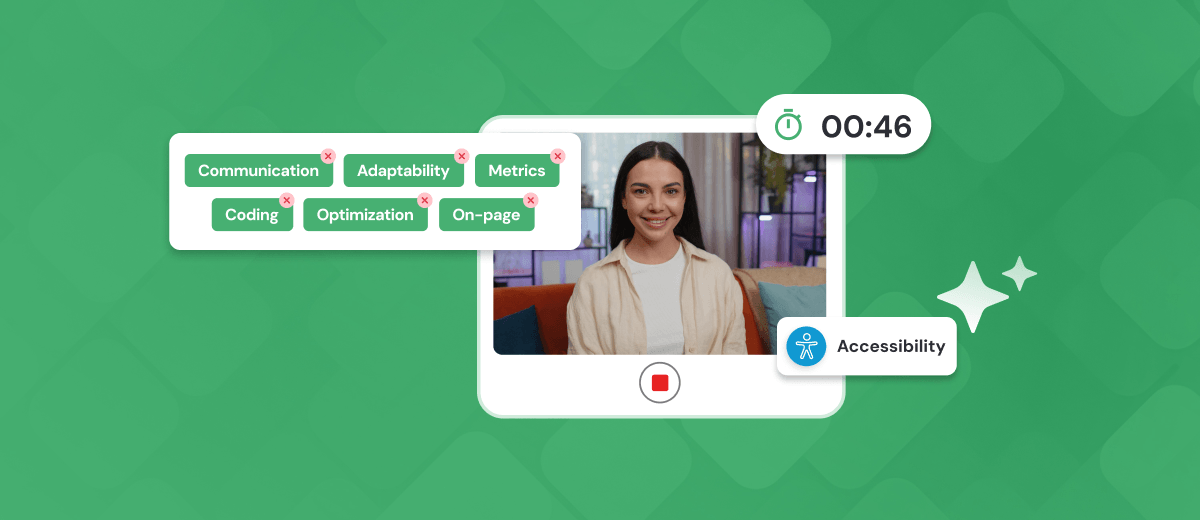
Jobma’s AI scoring capabilities help hiring teams evaluate interviews more efficiently. Using speech recognition and natural language processing, the platform analyzes candidate responses and provides insights on factors such as communication skills, confidence, enthusiasm, and response quality.
Recruiters receive both response-level scores and overall interview scores, along with AI-generated remarks that help streamline the review process.
5. Automate Follow-Ups and Reduce Interview Drop-Offs
Candidate drop-off is a common challenge. To help improve completion rates, Jobma automatically sends reminders to candidates who have not completed their interview after a period of inactivity.
Candidates can simply return and continue from where they left off rather than restarting the interview. This helps recruiters recover incomplete interviews without spending time on manual outreach.
Jobma also helps keep interview workflows moving by maintaining a complete record of interview communications.
Works With the Tools You Already Use
- Google Calendar
- Microsoft Outlook
- ATS such as Recruiterflow, Greenhouse, Workday, Lever, etc.
What Changes When Interview Workflows are Automated?
Workflows Close Faster: Interviews get scheduled in a fraction of the time, so candidates keep moving instead of waiting. AI scoring delivers instant insights, so decisions happen faster. Roles fill before momentum is lost.
A Better Candidate Experience: Candidates get prompt, clear communication at every step, which reflects well on your team. Self-scheduling + automated reminders = professional coordination as the default, not the exception.
Recruiters Stop Chasing: The endless reminders, rebooking, and feedback chasing are handled automatically, returning hours to your team. They focus on candidates instead of calendars and subjective evaluations.
Objective, Data-Driven Hiring: AI scoring standardizes evaluations across all candidates. Compare side-by-side using scores for content, communication, confidence, and enthusiasm. Especially valuable for high-volume healthcare hiring.
Less Admin Work for Recruiters: Instead of managing calendars and sending follow-up emails, recruiters can focus on evaluating talent and building stronger candidate relationships.
The Bottom Line: Value of Interview Automation
Interview automation isn’t just about scheduling interviews faster. It’s about removing the administrative work that slows down hiring teams and creates friction for candidates.
When scheduling, scoring, and follow-up communication are handled through separate systems, recruiters spend valuable time coordinating processes instead of evaluating talent. Bringing these workflows together creates a more efficient hiring experience for everyone involved.