Benefits of One Way Interviews for Employers
The modern recruitment landscape moves at lightning speed. If your hiring team is still relying on endless email threads to find a fifteen-minute gap in a candidate’s schedule, you are likely losing top talent to faster, more agile competitors. As remote work and global hiring become the norm, traditional early-stage hiring methods are increasingly showing their limitations.
Enter the one way interview.
If you are a hiring manager or recruiter looking to optimize your talent acquisition strategy, understanding the Benefits of One Way Interviews for Employers is a game-changer. By shifting the initial stages of your hiring funnel to an asynchronous format, you can save time, improve fairness, and identify the best candidates with unprecedented speed.
Here is a deep dive into why this methodology is transforming recruitment, along with practical advice on how to implement it successfully.

Redefining the Initial Screen
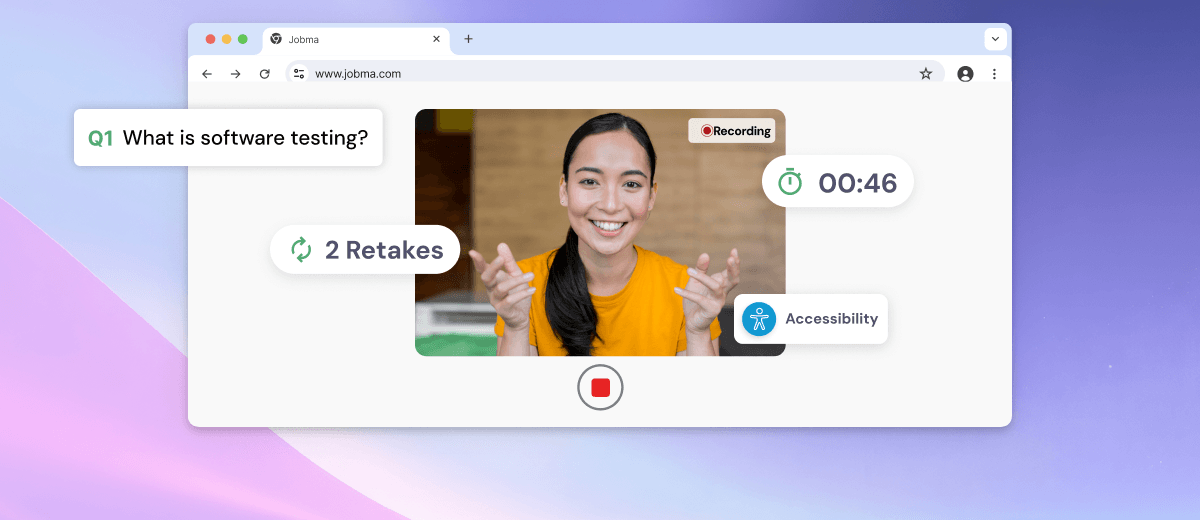
Before diving into the advantages, it helps to understand exactly what this process entails. A self paced interview (often referred to as an asynchronous interview) allows candidates to record video answers to pre-set questions at their own convenience. There is no live interviewer on the other end of the camera.
When comparing one way vs two way video interviews, the difference lies entirely in real-time interaction. Two-way interviews function like standard Zoom or Teams calls, requiring mutual availability. A self-paced video interview separates the question from the response, allowing candidates and recruiters to participate on their own schedules. This flexibility makes it especially valuable for part time remote jobs, where applicants may be balancing multiple commitments and employers often hire across different time zones.
Unmatched Efficiency and Time Management
The most immediate pain point this technology solves is calendar management. By eliminating scheduling conflicts in early recruitment, HR professionals win back hours of their workweek. You no longer have to accommodate different time zones, current job schedules, or unexpected cancellations.
Asynchronous Interviewing vs Phone Screening
For decades, the standard first step has been the brief phone screen. However, when evaluating asynchronous interviewing vs phone screening, the asynchronous method comes out significantly ahead. Phone calls require you to stay on the line for 20 to 30 minutes, even if you realize within the first two minutes that the candidate is not a fit.
With one way screening, the pre-recorded interview time savings are massive. You can watch a candidate’s response on 1.5x speed, skip through irrelevant pauses, or respectfully move on to the next video if the applicant clearly lacks the required communication skills. This is one of the most powerful asynchronous video software advantages, directly improving remote hiring efficiency by allowing you to process dozens of initial screens in the time it would take to conduct just three live phone calls.


Scaling Up and Reaching More Candidates
If your organization is experiencing rapid growth or dealing with seasonal hiring spikes, scaling high volume recruitment is essential. But are one way interviews effective for screening large numbers of applicants without sacrificing quality? Absolutely.
By utilizing a one way interview, recruiters can focus on screening larger talent pools quickly. Because your team’s time is no longer a bottleneck, you can invite a broader range of applicants to participate in the first round. Instead of limiting your initial screen to just five candidates due to calendar constraints, you can invite twenty, ensuring you don’t accidentally pass over a hidden gem simply because you didn’t have the time to talk to them.
Fostering Fairness and Better Team Decisions
Beyond sheer speed, asynchronous hiring inherently promotes a healthier, more equitable hiring environment.
Reducing Bias and Enhancing Consistency
Human error and natural conversation flow often mean that no two live interviews are exactly alike. One candidate might get a relaxed, chatty interviewer, while another gets someone who is rushed and stressed. Standardizing the interview process for consistency is a massive benefit here. Every single applicant is presented with the exact same questions, in the exact same format, with the exact same amount of time to answer. This standardization is critical for reducing unconscious bias in initial screening, as it allows you to evaluate candidates purely on their merit and responses rather than the rapport built during small talk.
Better Decision Making
Additionally, this format allows for collaborative hiring through recorded candidate responses. Instead of relying on a single recruiter’s hastily written notes from a phone screen, the video file can be securely shared with hiring managers, department heads, or other stakeholders. A hiring manager can watch a two-minute clip of a candidate explaining their technical background and instantly decide if they want to move them to the final round.
How to Successfully Implement Asynchronous Hiring
Understanding the benefits is only half the battle; execution is where the real value is unlocked. If you are wondering how to set up asynchronous candidate interviews, it requires a blend of the right technology and thoughtful process design.
Finding the Right Software
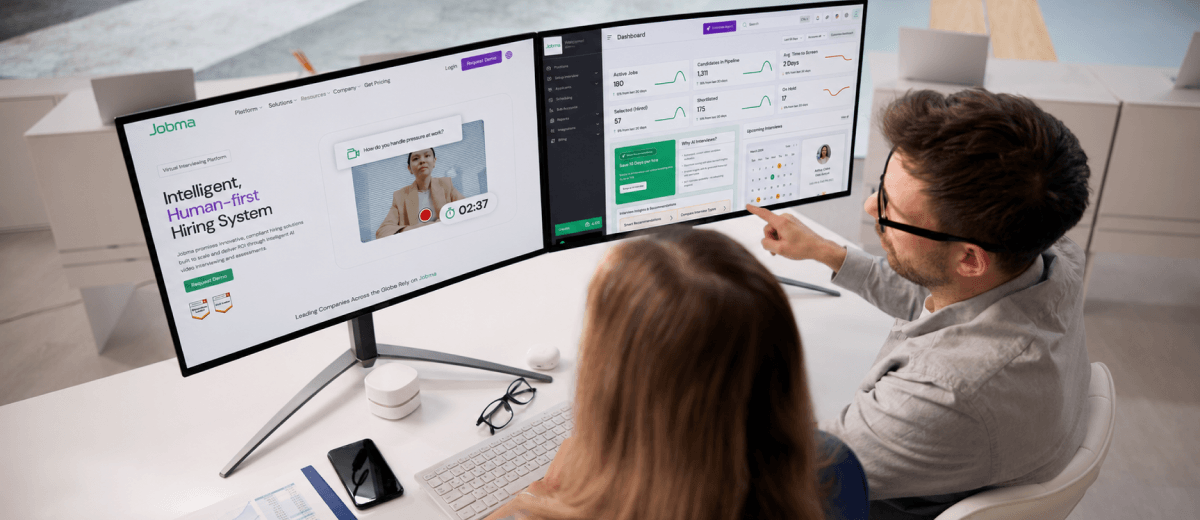
Your first step is selecting the right platform. The best automated interview tools for recruiters will offer seamless integration with your existing Applicant Tracking System (ATS), customizable branding, and an intuitive user interface for candidates. Look for tools that allow you to set time limits for answers and offer features like candidate scoring rubrics.
Updating Your Workflow
Incorporating video screening into recruitment workflows should be done strategically. The best placement for this step is immediately after the initial resume review, acting as a bridge before a live, face-to-face (or two-way video) interview.
Best Practices for Employer Success
To ensure high completion rates and a positive candidate experience, here are a few actionable tips for one way video interview implementation:
- Keep it brief: Do not treat this like a final interview. Ask 3 to 5 highly relevant, targeted questions. The total recording time shouldn’t exceed 10 to 15 minutes.
- Add a human touch: Record a welcome video of yourself or the hiring manager introducing the company. Explain why you use asynchronous interviews and thank them for their time.
- Give clear instructions: Tell candidates what you are looking for. Let them know if they have the ability to re-record their answers (allowing one or two retakes often reduces candidate anxiety).
- Communicate the next steps: Always let the candidate know exactly when they can expect to hear back from your team after submitting their video.
Final Thoughts
The transition to digital, self-paced hiring is not just a passing trend; it is a strategic upgrade for any forward-thinking organization. The Benefits of One Way Interviews for Employers extend far beyond simple convenience. By embracing this technology, you empower your talent acquisition team to cast a wider net, eliminate logistical headaches, and make fairer, more collaborative hiring decisions. Ultimately, adopting this modern screening approach ensures you secure the very best talent for your team, faster and more efficiently than ever before.