


How AI is Transforming Vendor Management Systems (VMS) and Talent Platform Workflows
Contingent workforce programs are running into a familiar wall – too many manual steps, inconsistent submissions from suppliers, slow job-filling cycles, and compliance processes that crack under pressure. Traditional Vendor Management Systems (VMS) are built for tracking spend and enforcing workflows, not for supporting the speed, volume, and workforce mix organizations operate with today.
AI is now the lever breaking that ceiling. It’s turning VMS and talent platforms from tracking systems into intelligent hiring engines that support faster, more reliable decisions. It cuts out repetitive tasks, improves match quality, and helps strengthen compliance.
One area that plays a larger role than most people realize is pre-recorded video screening and interviewing. It sits right between sourcing and onboarding, becoming the evaluation layer that helps teams make clearer and faster decisions by taking the scheduling out of initial interview rounds. When AI, VMS, and video interviewing tools operate together, the whole system becomes more efficient and more reliable.
What is a Vendor Management System?
A Vendor Management System (VMS) automates the operational side of contingent recruitment. The system keeps everything organized, consistent, and compliant when companies bring in contractors, temp workers, or project-based talent. It helps handle open roles, routes openings to staffing agencies, tracks candidate applications, and moves approved workers into onboarding. It also standardizes candidate submissions by suppliers and manager reviews, which is critical for large or distributed hiring teams. For companies looking to streamline workflows even further, exploring business automation services can significantly enhance vendor management efficiency and overall recruitment operations.
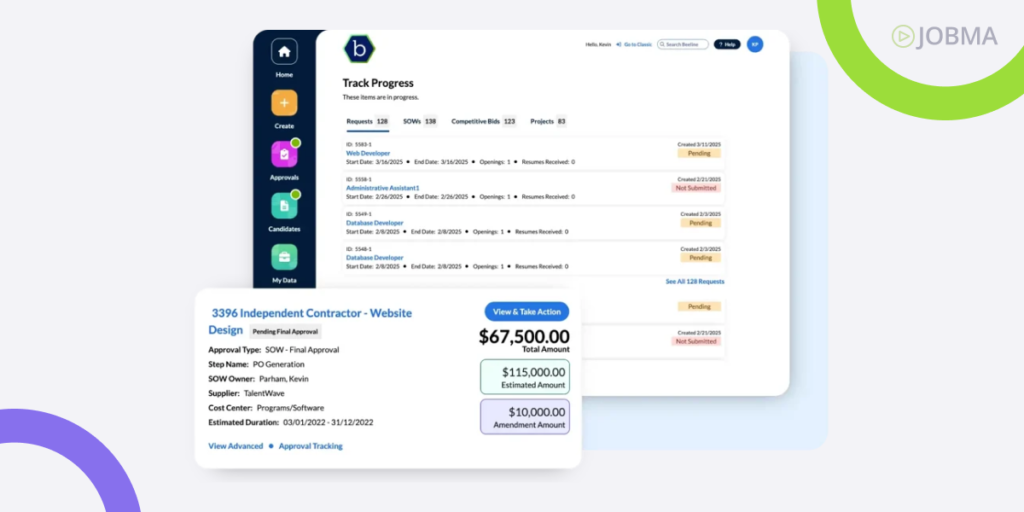
VMS ensures every step around hiring decisions – including sourcing, compliance, approvals, timekeeping, invoicing, and onboarding – happens correctly and on schedule. When AI plugs into this system, the entire recruitment cycle becomes more accurate, faster, and far easier for both hiring managers and suppliers to navigate.
The Modern Stack: Workflow, Intelligence, and Evaluation Working Together
Most companies today hire a mix of full-time employees, contractors, temp workers, and project-based talent. Managing all of this through emails or scattered tools quickly becomes messy. That’s why modern hiring teams rely on a stack of connected systems that work together, instead of operating separately.
This stack usually has three layers:
- VMS, which manages hiring workflows, compliance, jobs, approvals, and vendor activity.
- Video interviewing, which handles candidate screening and evaluation, and brings the insights into the VMS.
- AI, which brings intelligence into matching, recommendations, and analytics.
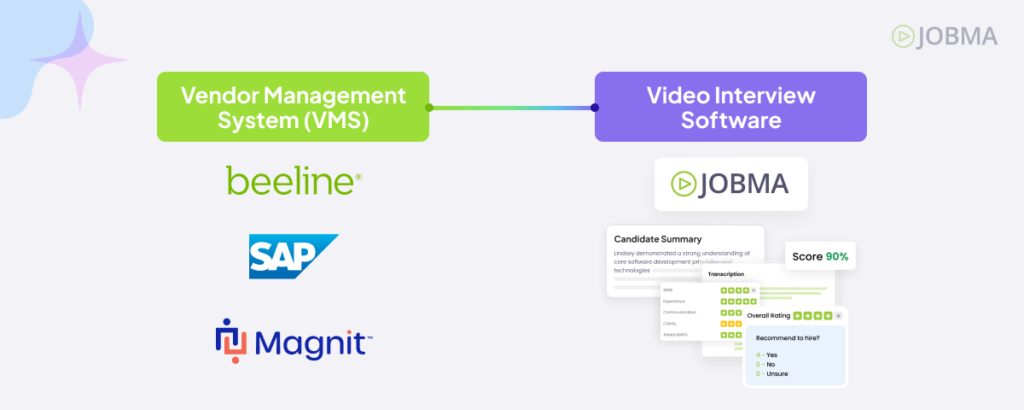
When these three layers work as one system, companies gain smoother operations, stronger supplier performance, and much faster hiring cycles, especially for contractor or temp roles where speed really matters.
How AI is Applied Across Talent Management Workflows
AI touches multiple stages of the talent lifecycle, from sourcing and screening to evaluation, compliance, and forecasting. When broken down step by step, the impact becomes clearer, especially with solutions developed by an AI Chatbot Development Company.
Step 1: AI-powered Candidate Matching
AI matching has become the first major filter in the hiring cycle. Instead of relying on intuition or the piles of resumes suppliers send, AI analyzes information that the human eye may miss. It reviews aspects like:
- Skills and certifications
- Past work history
- Pay ranges they’ve worked within
- Candidate location and availability
- How well similar workers performed in the past
It also highlights the suppliers that usually send strong candidates.
When a hiring manager opens a job, the resume screening system instantly highlights the top applicants. It doesn’t just look for keywords. It’s learning patterns, like which job types certain workers succeed in, or which past workers should not be redeployed due to performance issues.
Managers spend less time rejecting mismatched candidates, and suppliers get a clearer picture of what the company wants. Overall, the list of candidates becomes more accurate and easier to work through.
Step 2: Pre-recorded Interviews for Faster Evaluation
Video interviewing tools use AI to turn raw recordings into structured, decision-ready insights that help hiring managers act faster. Instead of watching every interview from start to finish, AI highlights the parts that matter. This includes what skills were demonstrated, which questions were answered strongly, and where the candidate may fall short.
Here’s how this evaluation layer works in practice:
- Automated Transcription and Summaries: AI converts each response into text and summarizes the key points, making it easier to review multiple candidates quickly.
- Skill Extraction: If a candidate mentions specific tools, certifications, or job-relevant experience, AI adds those details to their profile.
- Response Quality: The system highlights well-structured answers, clarity in examples, and alignment with job requirements.
- Comparative Insights: Managers can compare multiple candidates side-by-side using consistent data points instead of subjective impressions.
- Structured Documentation: All evaluations become part of the candidate’s VMS record, supporting consistent and defensible hiring decisions through self hosted document parsing that keeps sensitive data under internal control.
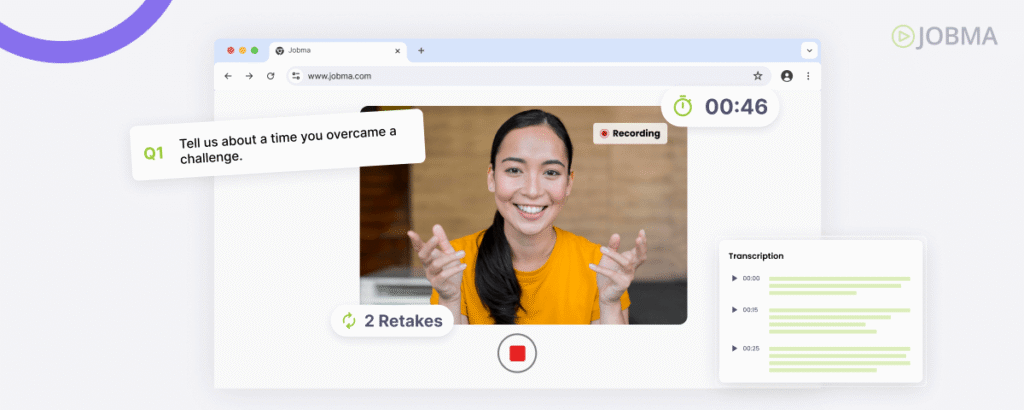
Hiring teams get a clear view of each candidate’s strengths, without adding complexity to the hiring process. As these systems scale, teams also need reliable AI deployment workflows to ensure interview analysis, transcription, and evaluation models run consistently in production environments. Suppliers also benefit from pre-recorded interviews because their submissions become more consistent and aligned with what the hiring team expects.
Did You Know?
You can deploy video interview workflows seamlessly through the cloud with flexible, multi-device, and even white-label support – keeping your brand intact. Check with your supplier if they have a video interviewing platform (like Jobma) in place on a pay-per-use basis, or simply sign up for Jobma here.
Step 3: Automated Administrative Tasks
AI becomes far more powerful when the workflow itself is automated. Instead of a recruiter executing every small task manually, the system takes over routine work.
How it works:
- Instead of trying to schedule live calls with dozens of candidates, hiring teams send a request for a standardized one-way video interview, and candidates record responses on their own time. AI steps in to check the response quality, transcribe answers, highlight skills, and flag promising candidates.
- As soon as the hiring manager approves a candidate, the system automatically sends the worker their onboarding packet, requests background documents, and notifies IT about equipment needs. The system automatically logs the completion of every step for compliance. No one has to manually start each task.
- If a manager changes a position from “General Temp” to “Healthcare Contractor,” the system automatically updates the required documents, such as vaccination records or certifications. Then, it immediately alerts the candidate and supplier about what’s missing.
- For roles that require licenses or safety certificates, like security officials or nursing staff, the system can spot an expiration date weeks in advance. It automatically notifies the worker, the vendor, and the hiring manager, so the credential is updated before the worker’s shift is disrupted.

Step 4: AI Recommendations for Data-Backed Guidance
As the system learns from past hiring activity and current trends, it begins offering practical suggestions that help teams move faster and avoid common mistakes.
Here’s what this looks like in everyday hiring:
- Smart Sourcing Suggestions: For roles where internal talent pools have been more effective, the system will recommend interviewing those candidates before sourcing externally. If a vendor consistently sends strong candidates for a certain type of role, AI will highlight that vendor first and suggest routing the job to them.
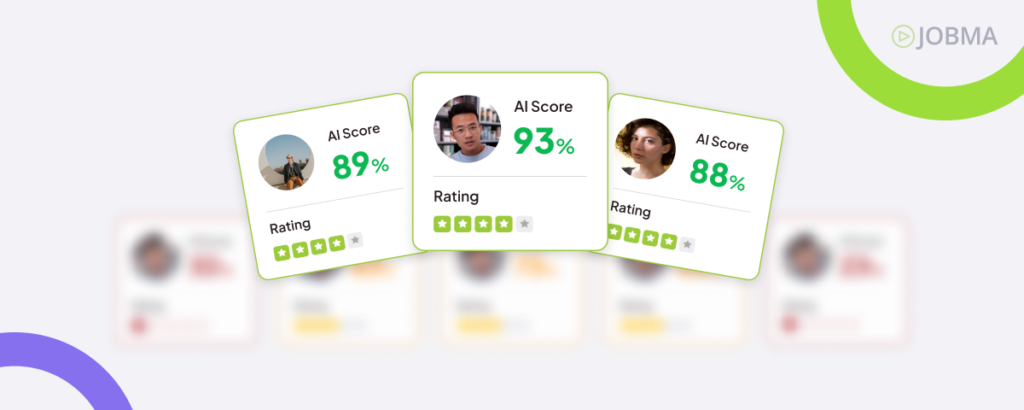
- Top Candidate Recommendations: With interviews recorded through an AI-powered video tool, the system recommends the strongest candidates. This recommendation is based on how well they answered the questions, the skills they demonstrated, and how closely they match the requirements of the role. Instead of managers watching dozens of recordings from start to finish, AI summarizes key talking points from the interview.
For example, if a candidate explains their experience with a specific software tool that’s crucial for the job, AI adds that skill to the candidate’s profile.
- Pay Recommendation Based on Real Data: Instead of managers wondering, “Is this compensation rate competitive?”, the system recommends a pay range based on what similar candidates have accepted in the past. It also factors in the typical pay in the location you’re hiring for. For example, if the last five IT contractors were hired at between $42-$48/hour, the system will highlight that range before the manager posts the job.
- Catching Duplicate Submissions: If the same candidate is submitted by two suppliers, AI can flag it to avoid confusion or double-billing. It can also highlight candidate performance in their previous assignments, and if it meets the present role’s requirements. This allows the hiring managers to make data-backed decisions.
These smart recommendations cut down on back-and-forth communication and reduce decision fatigue. Even less experienced users can make smarter choices because the system provides context at every step.
Step 5: Analytics and Decision-Making
Traditional VMS dashboards usually show simple numbers – how many jobs are open, how many workers are active, or how much money is being spent. AI changes that by turning those basic dashboards into deeper, more meaningful insights that help teams spot patterns early and understand what’s actually working. From a data infrastructure and compliance perspective, understanding the benefits of server-side tracking can further strengthen these insights by improving data accuracy, increasing control over how data is processed, and supporting privacy requirements across connected hiring systems.
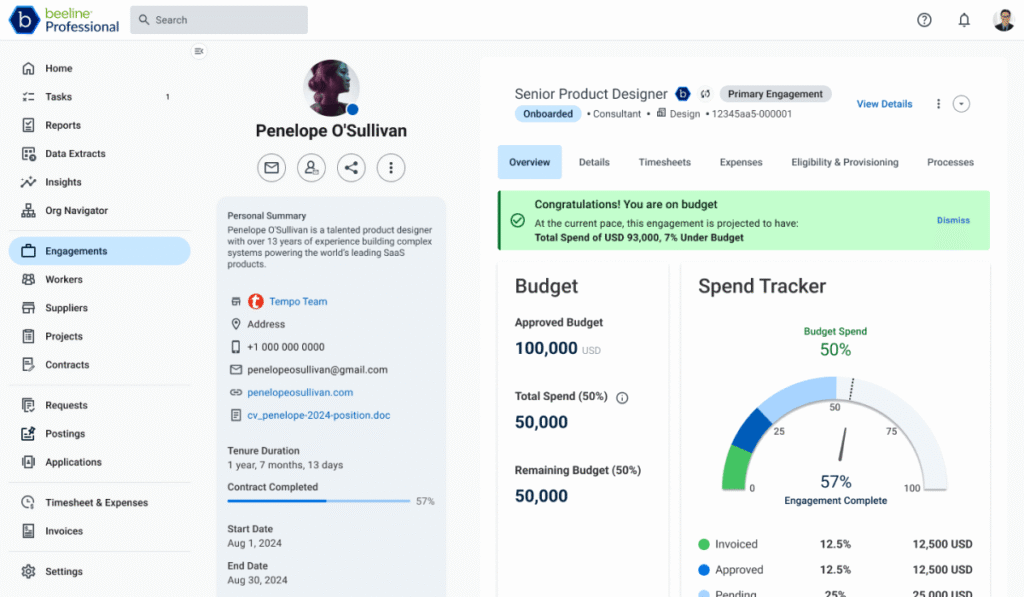
With AI, teams can view more useful and actionable information, like:
- Trend-backed Pay Benchmarks: Instead of guessing whether a pay range is too high or too low, AI shows what similar workers have been paid recently and what the market is paying in the same region.
Imagine if the average hourly rate for a warehouse associate is trending up this month, tools like SimplifyVMS flag it. This helps you to adjust your budget to match the market standard.
- Supplier Performance Patterns: AI highlights which staffing agencies consistently send strong candidates. It also tracks if a vendor is good at sourcing candidates for specific roles, like technical or customer-facing roles. For organizations managing large supplier networks, pairing these insights with supplier risk management software adds another layer of oversight by flagging vendor reliability issues before they affect hiring outcomes.
Example: If Supplier A has a 90 percent interview-to-hire rate for hospitality roles, the AI-powered analytics in platforms like Workday VNDLY highlight that.
- Video Interview Insights: AI in smart video interviewing tools pulls insights from recorded interviews that help teams make better decisions. It highlights the pre-recorded interview completion rates and the number of candidates who get hired for each supplier.
For example, Jobma highlights the key candidate skills during an interview and creates role-specific interviews to find the best talent.
- Rehire Opportunities: Instead of always sourcing externally, AI capabilities in ATS and sourcing tools, like Greenhouse and SmartRecruiters, identify workers who performed well in past assignments with you and are now available again. This cuts sourcing time and fills jobs faster.
- Tenure and Turnover Tends: If certain roles have workers who frequently leave early or don’t complete their assignments, AI picks up on those patterns and helps teams identify the problem area.
For example, if warehouse workers consistently drop off after two weeks, platforms like Beeline can show that the role may be underpaid compared to similar positions in the area. That gives hiring teams a chance to adjust the rate before posting it again.
Instead of being reactive, these smart analytics make hiring more proactive and help you catch issues early.
Why AI Automation Matters in Workforce Management
Every improvement AI delivers ties directly back to a core operational challenge. The value becomes especially visible when AI solutions are strategically developed and implemented by an experienced AI development company to address workforce inefficiencies. The value becomes especially visible when you look at the outcomes that matter most to contingent teams.
1. Better Vendor Performance
Vendors are measured on the quality of candidates they source and time-to-fill. AI tools like automated match scoring help improve both by giving vendors clearer signals about what “good” looks like.
When vendors submit candidates with structured video interviews attached, the quality becomes easier to verify:
- Managers can review applications faster because they can watch the key parts of the interview without scheduling calls.
- Selection reasons become clearer, since the recorded answers show exactly why a candidate is a good fit.
- Scorecards show consistent indicators tied to skills, past performance, and interview responses.
- Vendor performance becomes auditable with documented candidate evaluations.
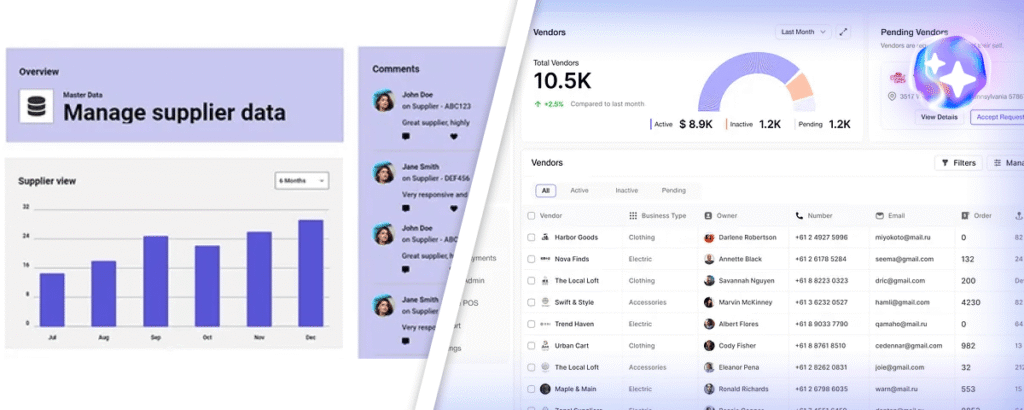
This creates accountability that traditional VMS cannot enforce.
2. More Comprehensive and Intelligent Filtering
AI candidate screening gives hiring managers more than a resume and a short summary. AI enhances profiles by adding structure and intelligence. It cites insights about skills and subject-matter understanding, and allots a resume score based on role-fit.
This creates a more complete picture of a candidate’s capabilities. It reduces reliance on guesswork and minimizes the chance of overlooking someone who could be a great fit.
3. Less Manual Work in Screening and Filtering
Without AI, hiring teams often spend hours reviewing resumes, coordinating schedules, conducting first-round calls, and documenting notes. AI drastically reduces this workload:
- Matching filters out candidates who might not be a good fit
- One-way interviews reduce scheduling chaos
- Automated profile scoring highlights the most promising candidates
- Stage-based compliance checks eliminate manual reminders
The result? Teams spend less time on admin tasks and more time on meaningful hiring decisions.
4. Standardized Talent Management Workflows
One of the biggest strengths of AI is its consistency. It applies the same logic to every candidate, every supplier, every job role, e.g., standardized interviews. This reduces the personal bias and inconsistency that often slow down contractor hiring.
Whether it’s evaluating interview responses or enforcing documentation rules, AI ensures that each candidate passes through the same structured steps. That level of uniformity brings fairness in the evaluation process.
5. Faster Turnarounds and Quicker Onboarding
When candidate matching is faster, evaluations are structured, decisions are clearer, and compliance is automated, the entire hiring timeline shortens naturally.
- Suppliers submit higher-quality candidates
- Managers review interviews on their own schedule
- Onboarding tasks start the moment an offer is confirmed
This leads to smoother starts for workers, fewer project delays, and better workforce continuity.
6. Lower Operational Costs and Stronger ROI
When screening is automated, and compliance steps run in the background, teams spend far less time on repetitive tasks like telephonic rounds and scheduling that stretch time and budgets. AI also prevents costly mis-hires by surfacing stronger fits earlier and flagging potential issues before a placement is made.
The result is a program that runs more efficiently, cuts unnecessary spend, and shows measurable ROI through faster fills, lower rework, and more stable contractor performance.
Building a Tech-Backed Talent Management Workflow
AI is reshaping Vendor Management Systems and talent platforms by filling in the operational gaps that once slowed down contingent hiring. It enhances matching, automates repetitive steps, guides decision-making, and improves supplier accountability.
A VMS still manages the workflow. AI provides the intelligence. Video interviewing delivers smart assessments that tie everything together. Organizations that adopt this modern stack will see faster hiring cycles, more consistent decisions, stronger supplier partnerships, and reduced operational overheads.