


Top HR Technology Trends Transforming Hiring in 2026
Recruitment has changed dramatically in the past few years. What was once an operational HR function has quickly become a strategic business priority.
Hiring teams now compete for talent in a global market where candidates can apply to dozens of jobs within minutes. Recruiters often review hundreds, sometimes thousands, of applications for a single role while companies race to secure top candidates before competitors do.
To keep pace, organizations are investing heavily in recruitment technology. Video interviewing platforms, candidate assessment tools, and automation systems are helping hiring teams manage application volume and make faster decisions.
Artificial intelligence is playing a growing role in this shift. Studies show that approximately 88% of organizations use some form of AI for initial candidate screening, and 93% plans to expand its use in 2026.
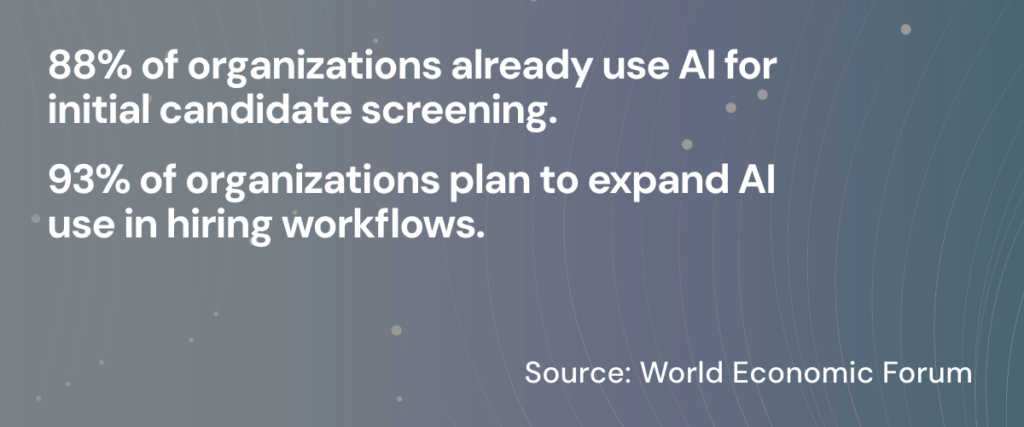
Industry analysts believe this shift will continue accelerating. Research from Gartner suggests that high-volume recruiting is increasingly becoming AI-assisted, with organizations relying on automation and analytics to handle early-stage candidate evaluation.
But technology alone is not reshaping recruitment. The real transformation lies in how hiring processes are being redesigned around skills-based evaluation, structured interviews, predictive analytics, and integrated HR technology ecosystems.
Below are some of the key HR technology trends transforming recruitment and talent acquisition in 2026.
Key HR Tech Trends Transforming Hiring in 2026
AI is Becoming Central to Recruitment
Artificial intelligence has rapidly moved from an experimental HR tool to a core component of modern recruitment systems.
What began as simple automation for tasks like resume screening has expanded into a broader set of tools that support different stages of the hiring process. Today’s recruitment platforms can analyze large volumes of applications, automate administrative work, and surface insights that help recruiters identify strong candidates more efficiently.
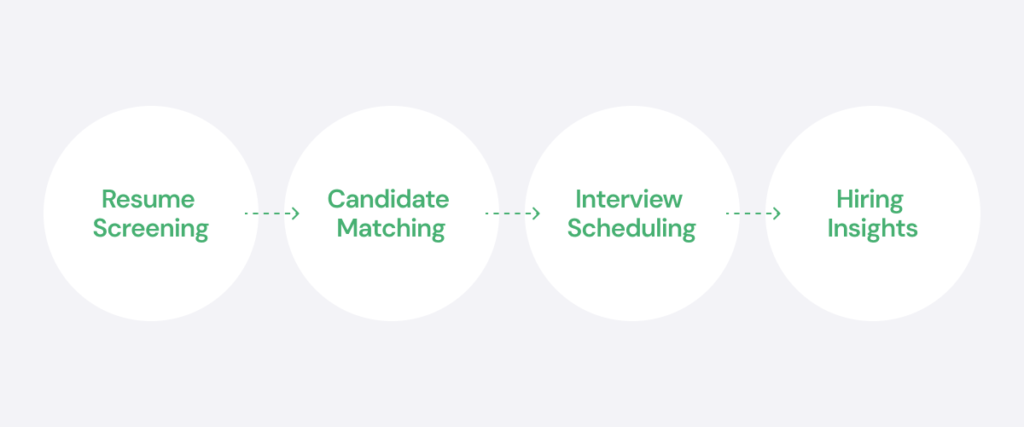
Hiring teams are using AI to assist with tasks such as:
- Resume parsing and application screening
- Identifying qualified candidates more quickly
- Automating interview scheduling
- Analyzing candidate responses during interviews
- Generating insights from recruitment data
The growing use of AI is largely driven by the scale of modern hiring. Recruiters may need to review hundreds of applications for a single role. Automation helps teams manage that volume while maintaining consistency in how candidates are evaluated.
Industry research supports this shift. Surveys show that about 75% of recruiters say AI helps speed up hiring, particularly by reducing the time spent on resume screening and administrative coordination.
Despite the rapid adoption of AI tools, most organizations are not replacing recruiters with automation. Instead, AI is being used to handle repetitive tasks so recruiters can spend more time engaging with candidates, collaborating with hiring managers, and making informed hiring decisions.
Skill-Based Candidate Assessments
As hiring becomes more competitive and job requirements evolve quickly, many organizations are placing greater emphasis on assessing candidates based on demonstrated skills rather than relying solely on resumes.
Modern recruitment platforms allow hiring teams to evaluate candidates using a broader range of signals, including skills assessments, structured interview responses, behavioral indicators, and work samples or portfolios. This approach provides a more complete picture of a candidate’s capabilities and how they might perform in a role.
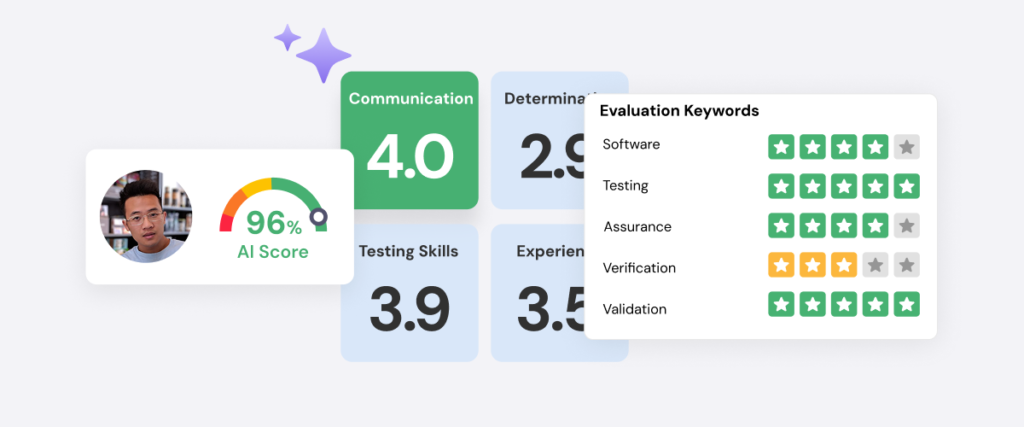
By incorporating structured evaluation methods into the hiring process, companies can move toward more evidence-based hiring decisions. Instead of relying primarily on subjective impressions, recruiters can compare candidates using consistent criteria and measurable data points.
For employers managing large applicant pools, these assessment methods also help create a more standardized evaluation process. Candidates are assessed against the same benchmarks, making it easier for hiring teams to identify strong matches while reducing the influence of unconscious bias.
As this hiring philosophy becomes more common, employers are using tech for structured interviews and assessments to verify candidate skills and support more informed hiring decisions.
Video Interviewing is Becoming a Screening Standard
Video interviewing has moved well beyond its early role as a temporary solution for remote hiring. Over the past few years, it has become a standard part of the recruitment process for many organizations.
Hiring teams increasingly use video interviews to screen candidates, conduct structured conversations, and collaborate with hiring managers when evaluating applicants. Instead of coordinating multiple schedules for early-stage interviews, recruiters can review candidate responses more efficiently and share them with stakeholders involved in the hiring decision.
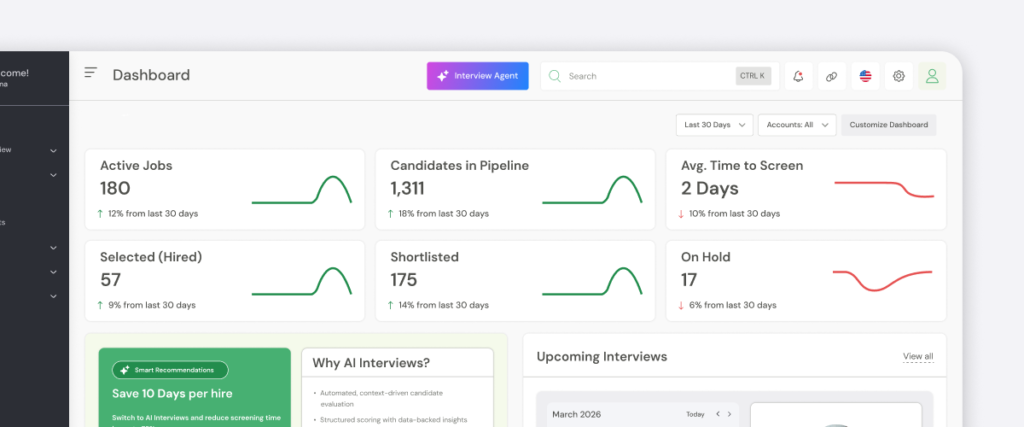
This approach is particularly valuable for organizations hiring across multiple locations or managing large applicant pools. Video interviews make it easier to evaluate candidates regardless of geography while also helping recruiters move qualified applicants through the process more quickly.
Many employers now incorporate different interview formats depending on the stage of hiring. Live video interviews are often used for deeper conversations with shortlisted candidates, while recorded responses can help hiring teams evaluate early-stage applicants in a more structured and consistent way.
As remote and hybrid work models continue to expand, video interviewing is becoming a practical way for organizations to scale hiring while maintaining a consistent interview process across teams.
Candidate Experience as a Competitive Advantage
The candidate experience can influence whether a company attracts top talent or loses it to competitors. Job seekers evaluate employers the same way employers evaluate applicants. A slow or disorganized hiring process can discourage candidates from continuing with an application or from accepting an offer later in the process.
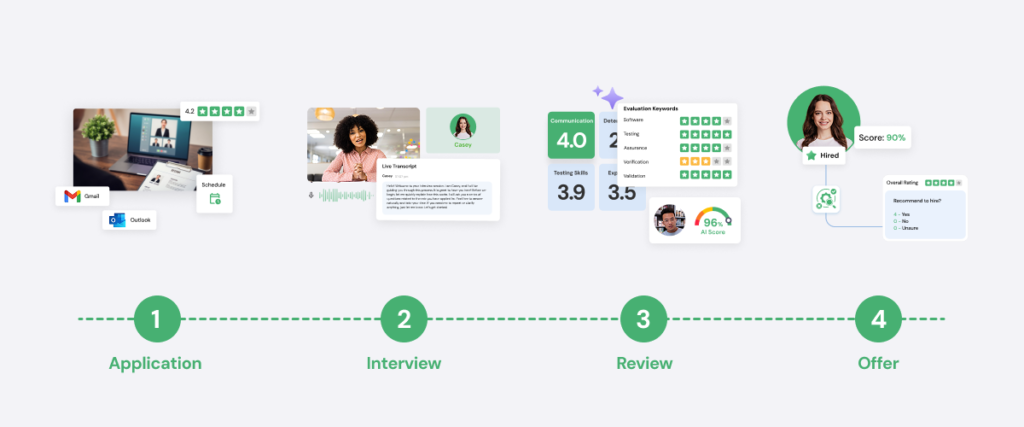
Research from LinkedIn shows that 75% of job seekers consider an employer’s brand before applying, demonstrating how hiring experiences and employer reputation directly influence candidate decisions.
To remain competitive, many employers are focusing on making the hiring journey faster, clearer, and more respectful of candidates’ time. This often means simplifying application steps, communicating more consistently throughout the process, and creating structured interview experiences that reduce uncertainty for applicants. Flexible interview options have also become important, particularly for candidates applying from different locations or balancing multiple opportunities.
Technology plays an important role in supporting these improvements. Recruitment tools help hiring teams coordinate interviews more efficiently, reduce delays between hiring stages, and keep candidates informed throughout the process.
In 2026, candidate experience is increasingly seen as a strategic advantage in competitive labor markets. Organizations that create transparent, efficient, and well-structured hiring experiences are more likely to attract stronger talent and strengthen their employer brand.

The AI Candidate Fraud Arms Race
The rapid growth of AI tools has introduced new challenges for recruiters: it is becoming harder to distinguish genuine candidate skills from AI-assisted responses.
Candidates now use AI to generate resumes, optimize applications, and even prepare answers for interviews. While these tools can help candidates present their experience more effectively, they also create risks for organizations trying to verify authentic skills and qualifications.
This shift has created what some industry observers describe as an emerging arms race in hiring. Candidates are using AI to improve how they present themselves, while employers are introducing new methods to verify authenticity and evaluate real capabilities.
To address this challenge, many companies are combining automated screening tools with more structured evaluation methods such as skills assessments, recorded video interviews, and experiential tasks.
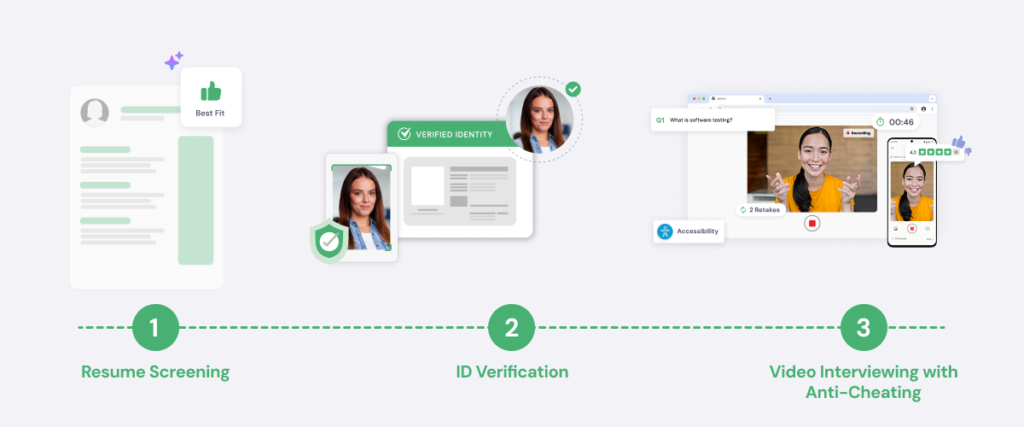
Organizations are placing greater emphasis on:
- Verifying candidate authenticity
- Detecting AI-generated or misleading responses
- Implementing fair anti-cheating measures in interviews and assessments
Recruitment platforms are increasingly introducing safeguards designed to maintain integrity in the hiring process while ensuring fair evaluation for all candidates.
AI Fluency Is Becoming a Skill Requirement
As artificial intelligence becomes part of everyday work, employers are beginning to expect a basic level of AI literacy from candidates.
Recent workforce data highlighted by Forbes suggests that job postings requiring AI-related skills have increased significantly over the past year, reflecting growing demand for workers who can collaborate with AI systems to improve productivity and decision-making.

During interviews, hiring teams are starting to explore how candidates interact with AI tools. Some employers ask how candidates use AI to improve productivity, while others want to understand how they review and validate AI-generated outputs before using them in professional settings.
For many roles, the ability to work alongside AI tools while maintaining judgment and oversight has become an important professional capability.
According to projections from Gartner, by 2029, at least 50% of knowledge workers are expected to develop skills to work with or manage AI agents, reflecting the growing integration of AI across business operations.
As a result, AI fluency is gradually becoming less of a specialized skill and more of a general workplace competency.
Predictive Hiring & Talent Intelligence
Recruitment has become increasingly data-driven. Talent intelligence platforms analyze large datasets, including candidate profiles, hiring trends, and workforce data, to generate insights that help organizations make better hiring decisions.
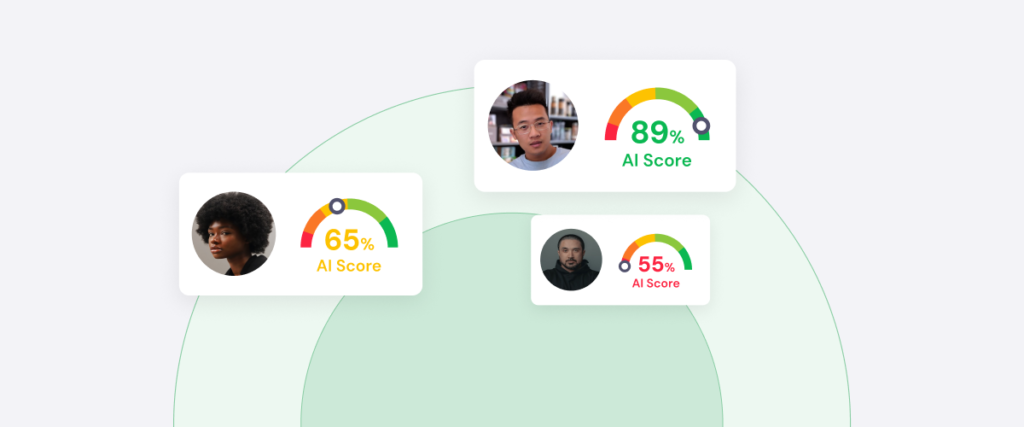
These insights give organizations a clearer picture of their talent landscape, allowing them to spot high-potential candidates sooner, anticipate skill gaps, measure hiring performance, and plan for future workforce needs.
By relying on data-driven insights rather than gut instinct alone, companies can move from reactive hiring to a more strategic, forward-looking approach, making smarter decisions and building stronger teams over the long term.
Responsible AI and Compliance are Reshaping Hiring Technology
As recruitment technology becomes more sophisticated, governments around the world are introducing new rules to ensure hiring remains fair, transparent, and accountable. In 2026, the regulatory landscape is getting more complex, and organizations can no longer treat compliance as a regional concern, especially those hiring across multiple jurisdictions.

Several major regulations are coming into effect or being actively enforced in 2026:
- Illinois House Bill 3773 (AI in Employment Decisions) – Effective January 1, 2026
- Texas Responsible Artificial Intelligence Governance Act (TRAIGA) – Effective January 1, 2026
- Amendments to the California Fair Employment and Housing Act covering automated decision systems – Fully applicable in 2026
- Colorado Artificial Intelligence Act (CAIA) – Enforcement begins June 30, 2026
- Ontario regulations requiring AI disclosure in job postings – Effective January 1, 2026
- New York City Automated Employment Decision Tool Law (AEDT) – Already active and under increasing enforcement scrutiny
These new regulations reflect a clear global expectation: hiring systems must be transparent, accountable, and subject to meaningful human oversight. Organizations are responding by building tools and processes that make hiring decisions explainable, auditable, and defensible.
- Maintaining clear explanations for automated decisions
- Keeping detailed audit trails of hiring actions
- Handling candidate data securely and in line with compliance requirements
- Monitoring for bias and ensuring fairness across assessments
- Including human review of automated recommendations
For companies using automated tools in recruitment, compliance is a fundamental part of the process. Platforms that are designed with these principles at their core help organizations meet global regulatory standards while protecting the integrity of hiring decisions.
Human-AI Collaboration: Human Oversight Remains Key
Despite rapid advances in AI, most organizations are not moving toward fully automated hiring processes. Instead, the dominant model emerging in recruitment is human-AI collaboration, combine technology with human judgment to make better decisions.
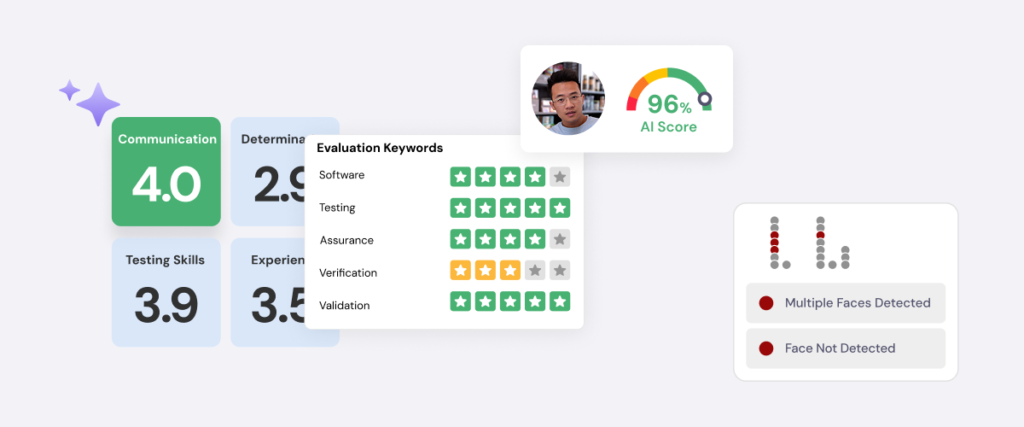
Modern tools help streamline workflows, organize candidate data, and flag potential matches, but recruiters are still the ones assessing factors that technology can’t capture, such as communication skills, cultural fit, and long-term potential.
This hybrid approach allows organizations to combine the speed and scalability of AI with the judgment and experience of human recruiters. As hiring continues to evolve, success will come from designing processes that balance efficiency with human oversight, ensuring decisions remain fair, informed, and aligned with business goals.
Preparation Checklist: Your 2026 HR Tech Roadmap
As hiring becomes more data-driven and technology-enabled, organizations need to periodically review whether their recruitment processes are keeping up. This checklist can help HR leaders evaluate their hiring strategy for the remainder of 2026 and beyond.
Audit Your AI Compliance: Examine the automated tools used in your hiring workflow. Do they provide the documentation, transparency, and audit trails required by emerging regulations such as the Colorado AI Act or New York City’s AEDT law?
Transition to a “Video-First” Funnel: Many organizations are moving away from traditional phone screens toward more structured digital interviews that allow candidates to respond on their own schedule while giving hiring teams more flexibility. Pilot Asynchronous AI video interviews to give candidates 24/7 flexibility and give your team back time.
Communicate Clearly with Candidates About Technology Use: Candidates expect transparency around how technology is used during hiring. Clearly explaining the role of automated tools in screening or evaluation can help build trust and support compliance with emerging disclosure requirements.
Upskill Your Recruitment Team: Shift your team’s focus from administrative screening to AI Fluency. Train recruiters to interpret talent intelligence data and use AI agents to manage scheduling so they can focus on high-touch candidate engagement.
Strengthen Candidate Verification Methods: With candidates using GenAI to optimize their profiles, ensure your interview tech has built-in verification features. Use recorded video responses and work samples to verify that the person on the resume matches the person in the interview.
Conclusion
As HR technology continues to evolve in 2026, staying ahead of these trends is less about adopting every new tool and more about building hiring systems that are integrated, secure, and thoughtfully designed.
But successful hiring is not defined by technology alone. Clear processes, thoughtful evaluation, and positive candidate experiences still play a central role in attracting and selecting the right talent.