


Top Job Boards in the US for 2026: Hiring Guide
If you’ve been involved in hiring lately in any capacity, you know the drill – it’s a bit of a rollercoaster. The good news? We’re entering 2026 in what economists call the “Great Thaw”. After a long stretch of “job hugging” in 2025, where everyone stayed put out of caution, the market is finally moving again.
As of Dec 2025, the U.S. job market is steady but competitive, sitting at around 7.1 million job openings with unemployment just above 4.4%. It looks balanced on paper, but in the trenches, a single solid role can still trigger an absolute landslide of applications.
Job boards are still the most direct way to bridge that gap. But with hundreds of platforms fighting for your attention, you need to know which ones are worth the time and which are just noise. Here is our breakdown of the best U.S. job boards for 2026.
Top US Job Boards in 2026
The Known Giants
- Indeed
- ZipRecruiter
- Monster
- SimplyHired
- CareerBuilder
Tech & IT Job Boards
- Dice
- Wellfound
- Stack Overflow
- Built In
- CrunchBoard
Remote-First Job Boards
- FlexJobs
- We Work Remotely
- Remote.co
- Working Nomads
- Arc.dev
Freelance & Gig Job Boards
- Upwork
- Fiverr
Volunteering, Non-profit & Community-focused
- Idealist
- Tech Jobs for Good
Sustainability-focused
- Green Job Search
- Climatebase
- The Impact Job
- Conservation Job Board
The Known Giants
These are the high-traffic platforms and dominates the job search landscape. They attract millions of candidates daily and host roles across every industry imaginable. If your goal is visibility and access to a wide range of roles and talent pool, these giants are a good starting point.
Indeed
Indeed is the “good-old reliable” of the bunch. It’s essentially a massive search engine that scrapes every corner of the web – employer sites, ATS platforms, and staffing firms – to bring everything into one place.
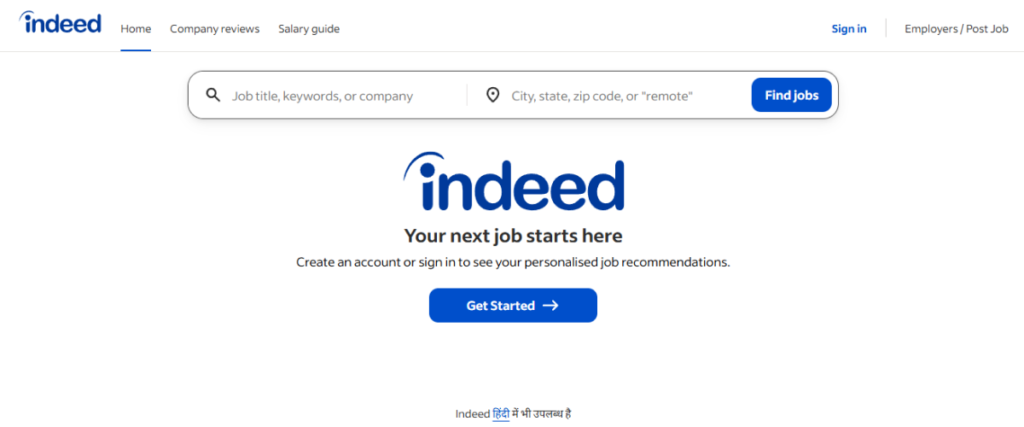
Recruiter Perspective: It’s the go-to for volume. You get high visibility and handy tools for screening, though you’ll likely need to “sponsor” posts to stay at the top of the feed. It also integrates with most major ATS systems.
Candidate Experience: Super straightforward. You can search by every imaginable filter (remote, salary, etc.) and see what current employees actually think of a company. Upload your resume, apply via integrated job apply APIs, track applications, and set alerts.
The Cost: Free basic postings; sponsored posts can be run as standard or premium listings, both work on a pay-per-click (PPC) basis.
LinkedIn is less of a “job board” and more of a professional social media platform. It blends professional networking with a powerful job search engine. With over 200M U.S. members, it’s great for corporate hiring, tech roles, and mid-senior positions. It’s where you go to find active and passive talent. People who aren’t necessarily looking but could be swayed by the right InMail.
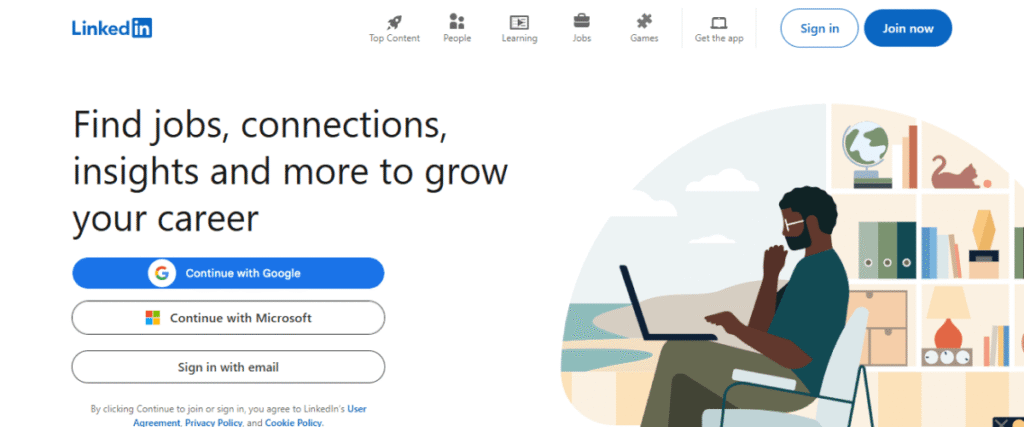
Recruiter Perspective: The targeting is unmatched. You can filter by specific skills, mutual connections, InMail outreach, open to work visibility, or even people who follow your company.
Candidate Experience: It’s all about the network. You can apply directly, see who you know at the company you’re interested in, tap into your network for referrals, and use “Easy Apply” for a smoother process.
The Cost: Primarily CPC-based job ads or monthly subscriptions.
ZipRecruiter
ZipRecruiter is built for speed. Its claim to fame is a “one-click” distribution system that sends your job out to over 100 different sites simultaneously. It uses smart-matching technology to recommend candidates.
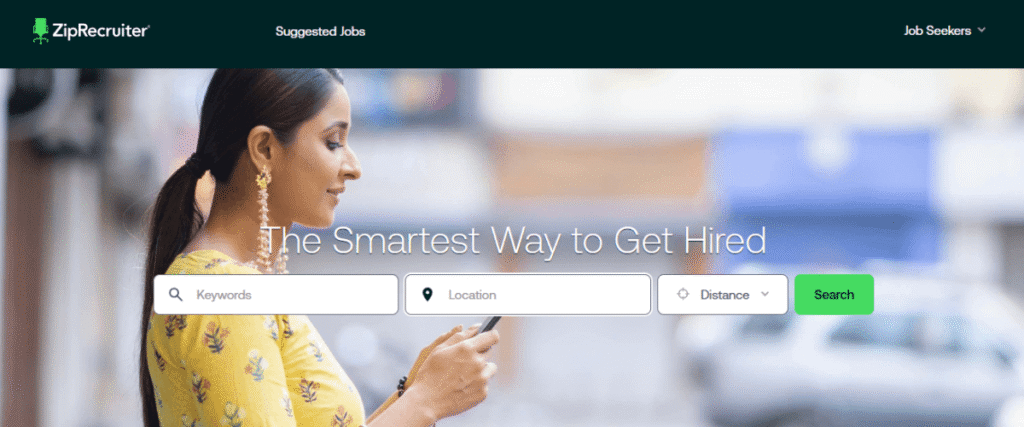
Recruiter Perspective: Your job is pushed across a broad distribution network with its one-click system and suggests “best match” candidates. Their AI assistant, “Phil,” suggests candidates who match your needs.
Candidate Experience: It keeps you in the loop with curated recommendations and job alerts when your resume is viewed or if you’re a top-match for a role.
The Cost: Subscription-based pricing with tiered plans; pricing varies by hiring volume and requirements. Candidate usage is free.
Monster
Monster is one of the “original” players of the online job search. While it doesn’t have the same buzz as LinkedIn these days, it’s still a massive operation with a deep reach into traditional industries and middle-management roles.
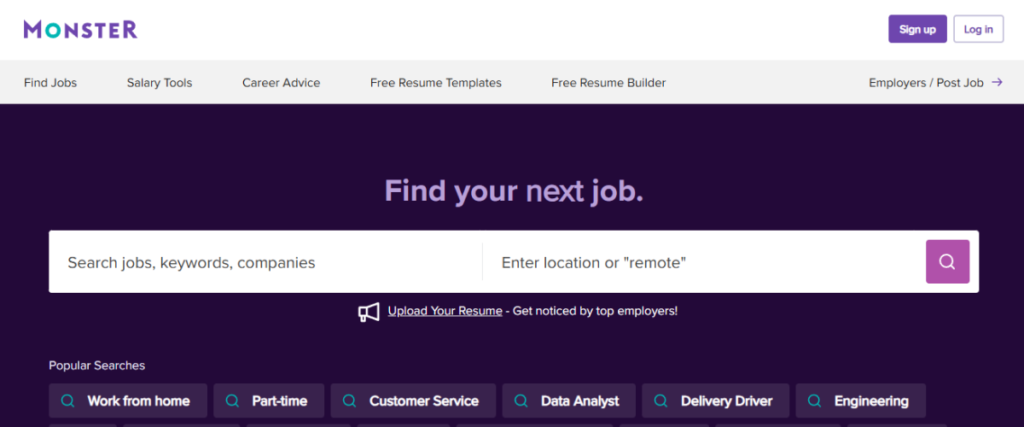
Recruiter Perspective: It’s a great spot for targeting active seekers. Monster offers solid resume search and employer branding tools that help you stand out to people who are specifically on the hunt right now.
Candidate Experience: It’s a one-stop shop. You get resume tools, career advice, and a very straightforward search interface that doesn’t overcomplicate things.
The Cost: Subscription-based plans for employers; free for seekers.
SimplyHired
Think of SimplyHired as a massive net that catches jobs from every corner of the web – company sites, other boards, and agencies. It’s built for simplicity and covers a huge amount of ground with minimal fluff. It lists job openings from 700,000 unique employers and operates job search engines in 24 countries and 12 languages.
Recruiter Perspective: It’s a “low effort, high reward” play. Your posts get distributed across a wide network of partner sites automatically. You can manage everything from a simple, centralized dashboard.
Candidate Experience: It’s famous for its clean interface. If you’re tired of cluttered boards, this is a breath of fresh air. Plus, the local market insights are great for benchmarking your salary.
The Cost: Usually follows a pay-per-contact model (you only pay to see the details of candidates you actually want to talk to). Free for job seekers.
CareerBuilder
CareerBuilder has been around for decades, and it has survived by leaning heavily into data. They don’t just host jobs; they provide deep labor market analytics that tell you why a role is hard to fill. It partners with local news sites and national outlets to extend job reach.

Recruiter Perspective: This is for the data-driven hiring manager. You get access to a massive resume database and AI matching that suggests candidates based on historical success. You can also use it to understand market demands and salary data.
Candidate Experience: Job seekers can upload resumes, receive personalized job recommendations, and explore career development resources.
The Cost: Subscription plans for job slots and database access.

Tech & IT Job Boards
When you’re looking for a DevOps or a Senior Dev, general boards often feel too vast. These sites speak the language of tech.
Dice
Dice is the tech veteran. In 2026, they’ve stayed relevant by building “Social Profiles” for talent – pulling in data from places like GitHub so you can see a developer’s actual work, not just their bullet points.
Recruiter Perspective: The filters are incredible. You can source specifically by certifications, tech stacks, or even security clearance levels. It’s built for the “hard to find” roles. It also integrates with major ATS platforms.
Candidate Experience: It’s where the high-level tech roles live. You’ll find a lot of contract and project-based work here that pays a premium for specialized skills. Dice also provides job alerts, compensation insights, and guidance on trending skills.
The Cost: Subscription or per-post options, depending on your hiring volume.
Wellfound
Formerly known as AngelList Talent, if you’re a startup, this is your home. Wellfound is where the entrepreneurial-minded crowd goes to find roles that offer equity, mission-driven work, and a fast-paced environment.
Recruiter Perspective: It’s a specialized ecosystem. You’re finding people who want the startup life. The built-in ATS and messaging tools make it very easy for small teams to manage hiring.
Candidate Experience: Total transparency. You see the funding round, the salary range, and the equity offer before you even hit “Apply.”
The Cost: Free for candidates. Basic listings are free; premium tiers unlock curated talent pools and advanced filters.
Stack Overflow
While they’ve integrated their job listings with Indeed, Stack Overflow remains the “town square” for developers. Your roles appear directly alongside the technical Q&As that developers are already reading. It attracts a niche, highly skilled audience of developers who actively engage on the platform.
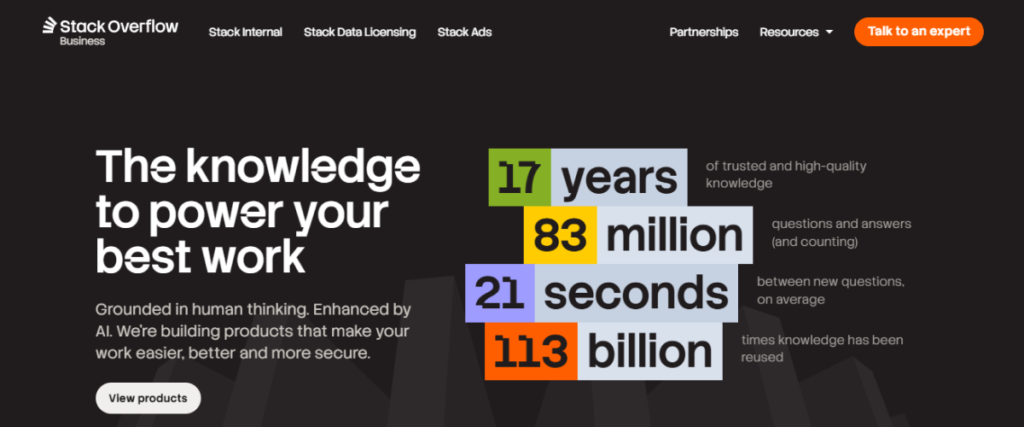
Recruiter Perspective: You’re reaching people where they already work. It’s less about a “job board” and more about targeted visibility within the most engaged developer community on the planet. You can target candidates based on programming languages, frameworks, years of experience, and location preferences.
Candidate Experience: It’s highly relevant. You can browse roles tailored specifically to your skills and filter by tech stack. You’ll see jobs that match the language and framework.
The Cost: Premium pricing for job visibility and employer branding; rates vary by exposure level.
Built In
Built In is the “culture-first” tech board. It specializes in tech and digital roles across major U.S. innovation hubs – New York, Austin, Chicago, Seattle, and others. They use editorial-style content to tell the story of your company.
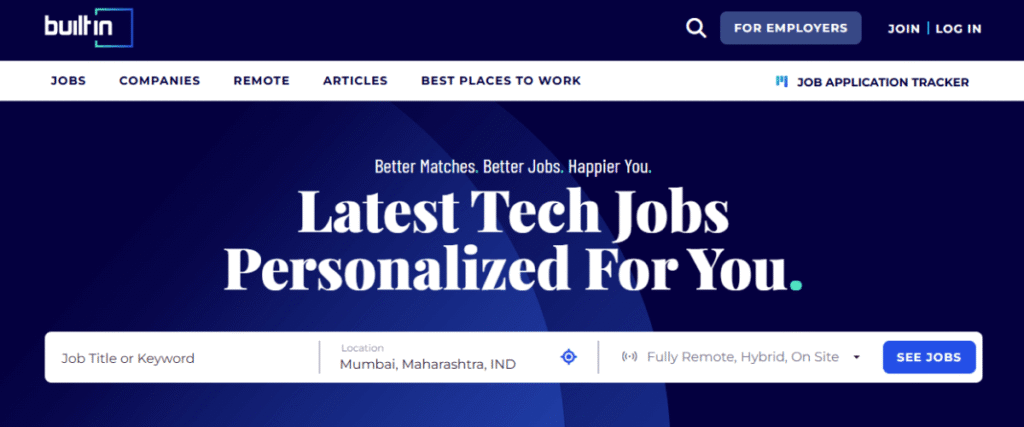
Recruiter Perspective: It’s about storytelling. You can showcase engineering culture, benefits, tech stacks, and team “vibe” through articles, videos, and branded profiles.
Candidate Experience: It’s perfect for candidates who care about the why behind the work. You get a deep look at the company’s mission before you interview. It’s used heavily by engineers, UX/UI designers, product teams, and data professionals searching for collaborative, tech-forward environments.
The Cost: Subscription-based plans for branded content and job slots.
CrunchBoard
Owned by TechCrunch, it is designed for tech-first job seekers and startup talent. It’s where you go to find roles at the hottest venture-backed companies and early-stage unicorns. Most listings revolve around product, engineering, data, and technical leadership roles.
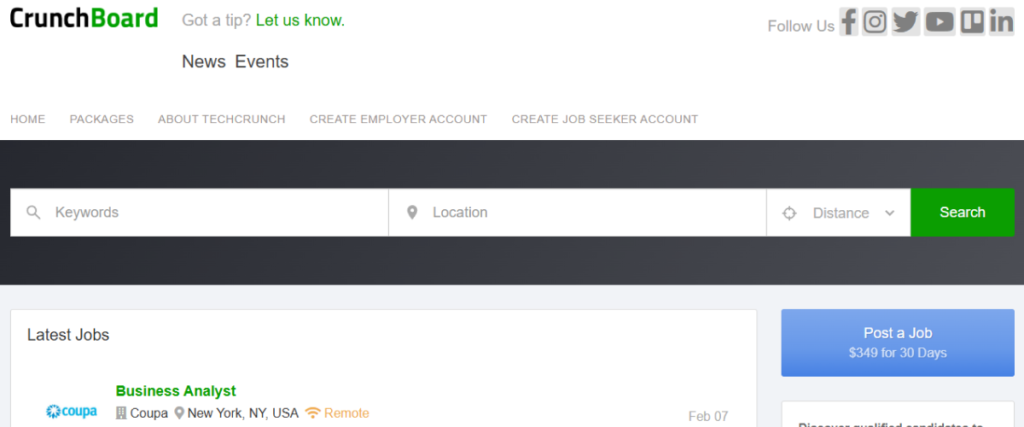
Recruiter Perspective: You get direct access to the TechCrunch audience. It’s a very tech-savvy, industry-aware pool of candidates. You can post jobs and target professionals who are genuinely invested in the startup and innovation space.
Candidate Experience: It’s where you find the jobs that people are going to be talking about next month. Great for leadership and high-growth roles.
The Cost: A flat fee per listing, with bulk discounts available.
Remote-First Boards
In 2026, remote work is a standard, but these boards are the ones that actually “get” the distributed culture.
FlexJobs
FlexJobs is the most trusted name in the remote space because they manually vet every single listing. It’s a “scam-free” zone, which is a huge deal in the current market. The site covers a wide range of industries, including tech, writing, customer service, marketing, education, and project management.
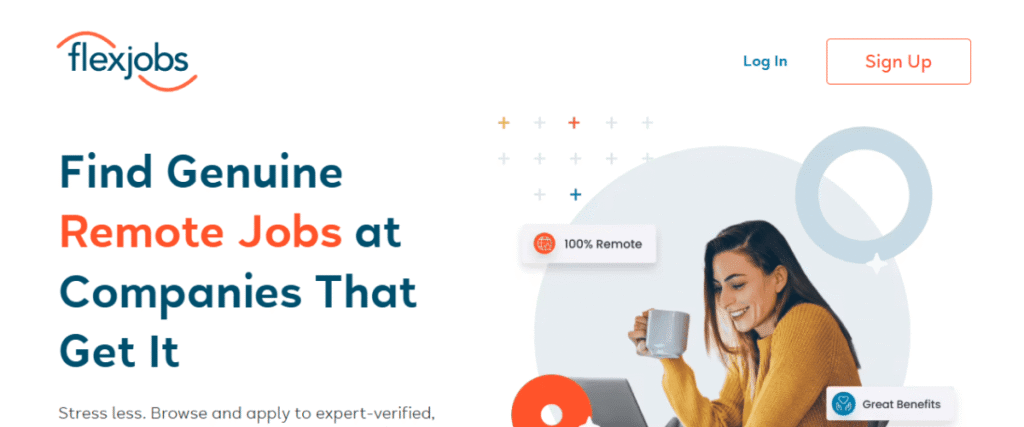
Recruiter Perspective: You’re getting high-intent applicants. Because candidates pay a small fee for the service, the “spam” factor is almost non-existent.
Candidate Experience: Peace of mind. You know the roles are real, the companies are vetted, and the work is actually remote. You can also access thousands of curated listings, take skills tests, and attend webinars.
The Cost: Employers pay for posting packages; candidates pay a subscription
We Work Remotely (WWR)
This is a big one. WWR has been around for over a decade and has the world’s largest remote community. With millions of monthly visitors, WWR connects startups, remote-first companies, and distributed teams with top talent.
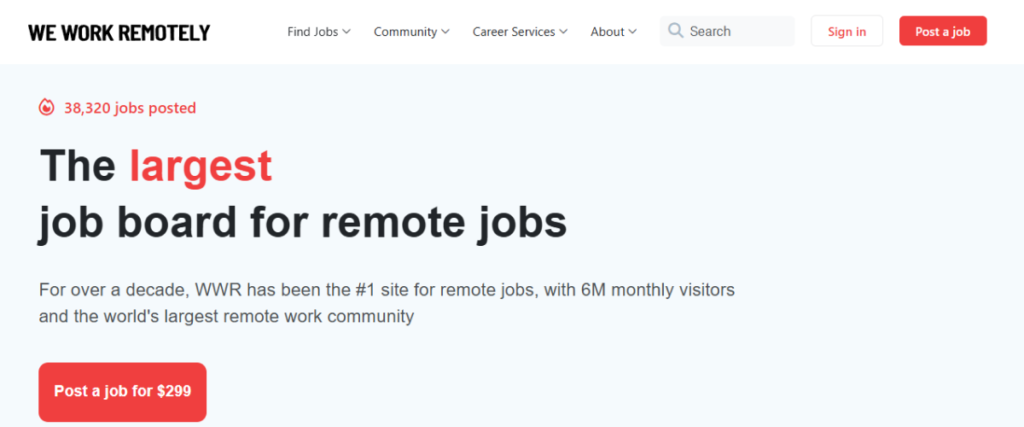
Recruiter Perspective: Your listing doesn’t just sit on a board – it goes out through social channels and email alerts to millions of remote-first pros. The platform is particularly effective for tech roles due to its dedicated audience.
Candidate Experience: The layout is simple, and the curated categories make it easy to find high-quality listings. It’s very easy to find high-quality work across different time zones and industries.
The Cost: Flat-fee job postings with additional paid upgrades for visibility.
Remote.co
Remote.co focuses exclusively on vetted remote positions ranging from entry-level to executive roles. It covers listings across tech, HR, customer service, finance, and creative fields. It also provides educational content on remote work best practices.
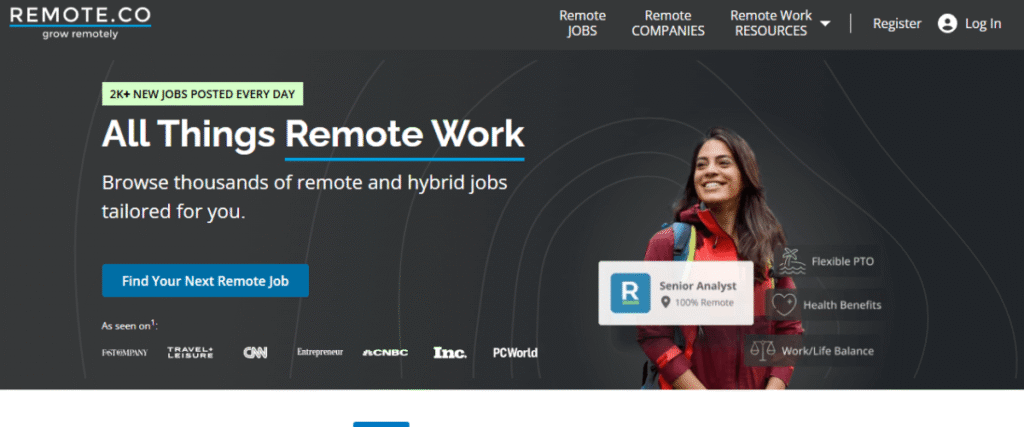
Recruiter Perspective: Draws from an audience specifically looking for long-term remote opportunities. You can publish job ads, showcase remote culture, and engage candidates comfortable in distributed work environments.
Candidate Experience: Job seekers benefit from organized categories, beginner-friendly listings, and resources like Q&A sessions and productivity guides. It offers trustworthy remote roles.
The Cost: Employers pay per listing; candidates browse for free.
Working Nomads
Working Nomads aggregates remote job listings across technology, marketing, operations, and creative roles. This one is a favorite for digital nomads. They use highly targeted email digests to push roles directly to people who prefer an asynchronous lifestyle.
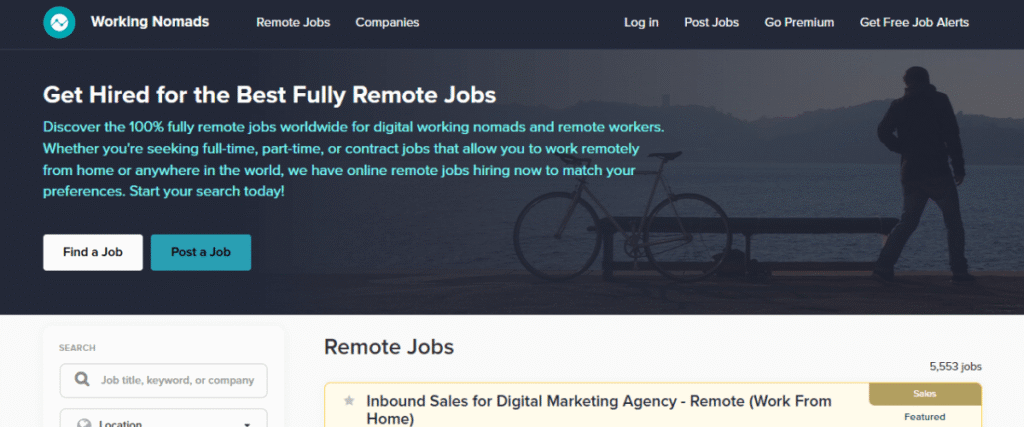
Recruiter Perspective: Employers can post roles that get distributed to targeted email lists segmented by job category. It’s a good option for reaching digital-first workers who prefer an asynchronous workflow.
Candidate Experience: Subscribers receive daily or weekly emails with tailored remote opportunities. While tech roles dominate, the platform also covers writing, legal, and healthcare positions.
The Cost: Paid job listings for employers; email subscriptions are free for candidates.
Arc.dev
Built specifically for remote developers. It connects engineers with full-time and contract opportunities from tech startups, SaaS companies, and remote-first organizations around the world – with a strong presence in the US market. They use technical assessments to pre-vet talent, so by the time a candidate reaches you, you already know they can code.
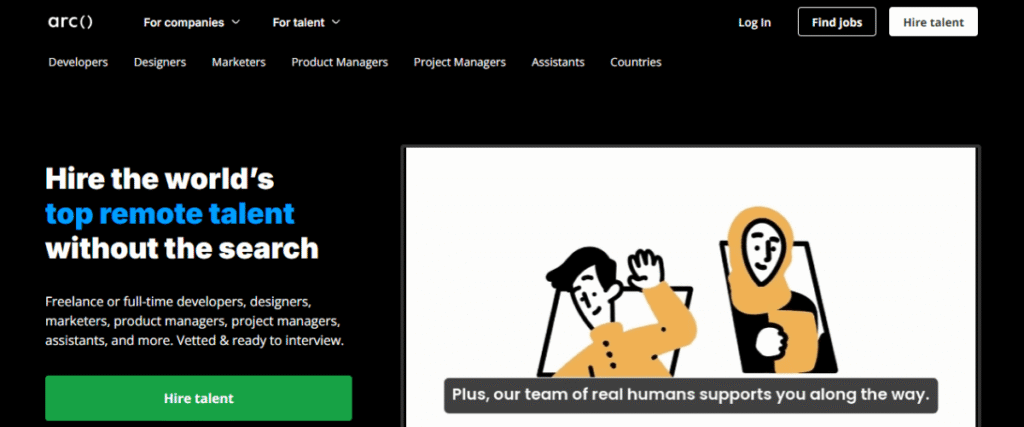
Recruiter Perspective: It saves massive amounts of time on technical screening. You’re only talking to the top tier of remote engineers. Browse talent profiles, review technical assessments, and streamline hiring through an integrated interview process.
Candidate Experience: It’s a stable path to remote work with US startups. You get access to high-quality, full-time remote roles rather than just small “gigs.” Create detailed profiles, showcase projects, take an optional skill verification test, and apply to remote roles.
The Cost: Employers pay for job postings or for access to vetted talent pools. Candidates use the platform for free.
Freelance & Gig Job Boards
If you need a specialist for a three-month project or a quick creative fix, these marketplaces are the gold standard.
Upwork
Upwork is one of the largest freelance marketplaces. It’s a massive marketplace where you can find everyone from technical architects to SEO writers. It’s built for project-based work, but many companies use it to “test drive” talent before offering full-time roles.
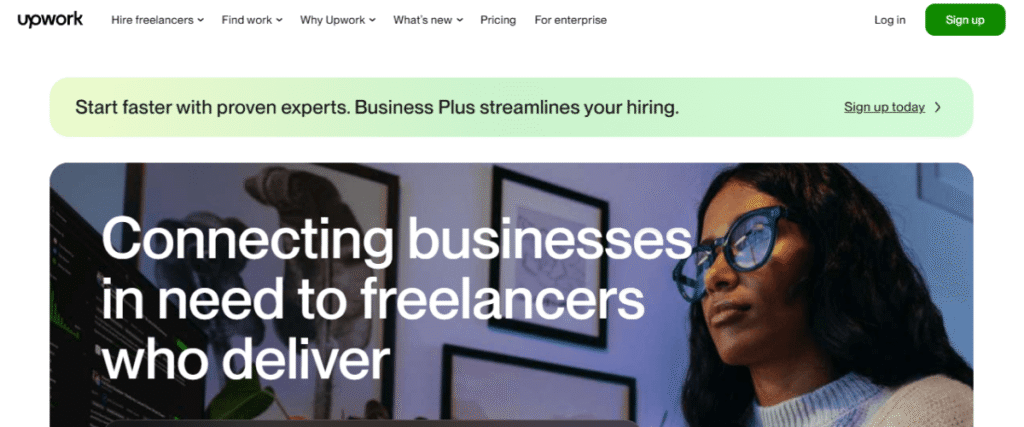
Recruiter Perspective: Upwork provides access to a global talent pool with detailed profiles, work histories, ratings, and portfolio samples. It gives you built-in tools for time-tracking, messaging, and secure payments (escrow), which takes a lot of the risk out of hiring someone on the other side of the world.
Candidate Experience: It’s a platform for building a business. You can showcase a deep portfolio, collect verified reviews, and turn a one-off gig into a long-term recurring contract.
The Cost: Clients pay a small marketplace fee; freelancers pay a service fee per contract. It’s free to post a role, but you can pay for “Featured” status to get better applicants faster.
Fiverr
Fiverr is a freelance platform built around fixed-price “gigs,” where freelancers offer predefined services starting at $5 and scaling up based on complexity. It’s popular for creative, digital, and fast-turnaround tasks such as design, writing, video editing, and marketing support.
Recruiter Perspective: This is your “fast-track” option. If you need a logo, a voiceover, or a quick video edit, you don’t need to interview ten people. You just browse curated packages, check their reviews, and buy. It’s unbeatable for well-defined, quick-turnaround tasks.
Candidate Experience: It’s ideal for “productizing” your skills. Instead of bidding on jobs, you set your tiers and let the clients come to you.
The Cost: Freelancers pay a commission on each sale; employers pay the gig price plus a standard service fee.
Volunteering, Non-profit & Community-Focused Job Boards
If your organization is driven by a mission rather than just a bottom line, these boards are where you’ll find your “true believers.”
Idealist
Idealist is the undisputed platform for the U.S. non-profit sector and community-focused roles. It’s where you go to find people who are genuinely passionate about social impact, education, and community development. It features full-time jobs, volunteer opportunities, internships, and grassroots projects across local and global organizations.
Recruiter Perspective: You’re reaching a very specific type of candidate – someone who prioritizes purpose. It’s the most recognized name in the sector, so your visibility among mission-driven talent is unmatched.
Candidate Experience: It’s the space to align your career with your values. Beyond just full-time roles, it’s a great place to find internships and high-level volunteer opportunities.
The Cost: Fees vary depending on whether you’re a non-profit or a for-profit entity. Volunteer listings are usually free.
Tech Jobs for Good
This is a brilliant niche market. It specializes in mission-driven and non-profit tech roles at organizations tackling climate change, health, education, civic tech, inequality, and other social challenges. It bridges the gap between high-level tech skills and major social challenges like climate change, civic tech, and healthcare.
Recruiter Perspective: If you’re a social enterprise looking for a developer or a data analyst, this is your primary source. You’ll attract candidates who want their code to actually matter.
Candidate Experience: You get to see the actual impact areas of each role. The listings are transparent about the mission, whether it’s fixing social inequality or tackling the climate crisis.
The Cost: Employers pay per post, though non-profits and early-stage social ventures usually get a discounted rate.
Green Job Boards
Sustainability has become a massive economic driver. These boards cater to the rapidly growing green economy.
Green Job Search
This is your broad-spectrum environmental board. It covers everything from renewable energy policy to sustainability roles within traditional corporations. It caters to nonprofit organizations, environmental agencies, renewable energy companies, and green startups.
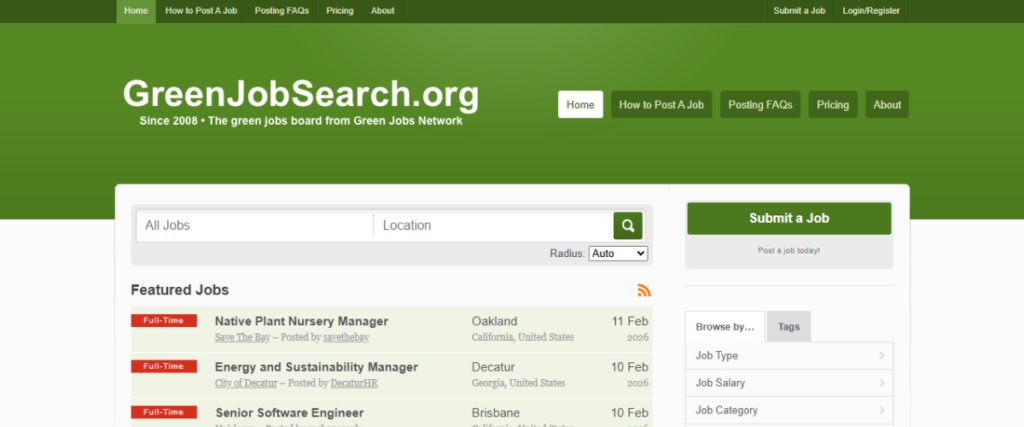
Recruiter Perspective: If your organization is pushing a sustainability agenda, you’re reaching a highly specialized pool of candidates who already have the background in conservation, advocacy, or environmental research. It’s a great way to filter out the generalists and find someone who understands the science and the stakes.
Candidate Experience: It’s a dependable, purpose-driven hub. Whether you’re looking into ecology, renewable energy initiatives, or environmental project management, the listings here are tailored. It’s an ideal starting point for anyone looking to pivot their career into the green economy.
The Cost: Paid postings for employers; candidates access listings for free.
Climatebase
Climatebase is a fast-growing job platform focused entirely on climate action and climate tech. It is the powerhouse of the “Climate Tech” world. It’s where the most innovative clean energy startups and environmental R&D teams list their roles.
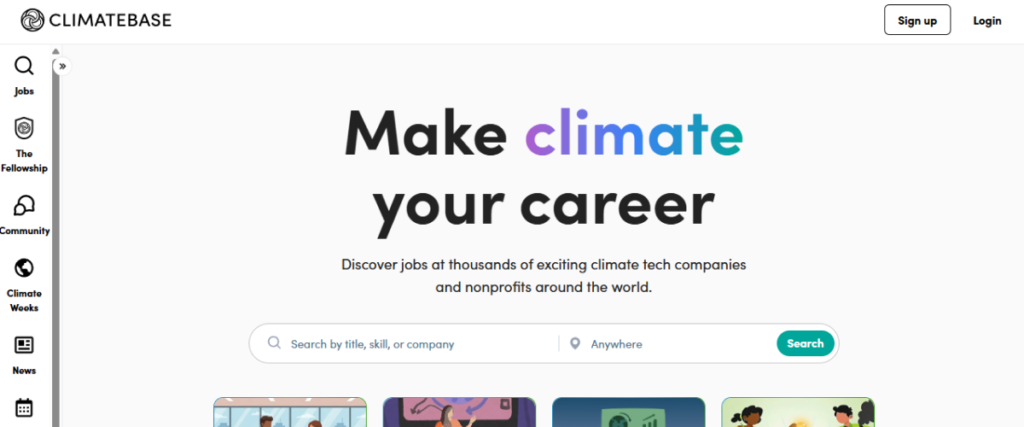
Recruiter Perspective: You get access to a very niche, highly educated talent pool. These aren’t just “environmentally conscious” people – they are engineers, policy experts, and scientists dedicated to climate action.
Candidate Experience: It’s the ultimate discovery tool for a green career. They even host virtual job fairs and fellowships to help people transition into the climate sector.
The Cost: Employers pay for listings or sourcing plans; it’s completely free for candidates.
The Impact Job
This one feels more like a curated community than a massive database. They focus on the circular economy and green innovation through a highly popular weekly digest.
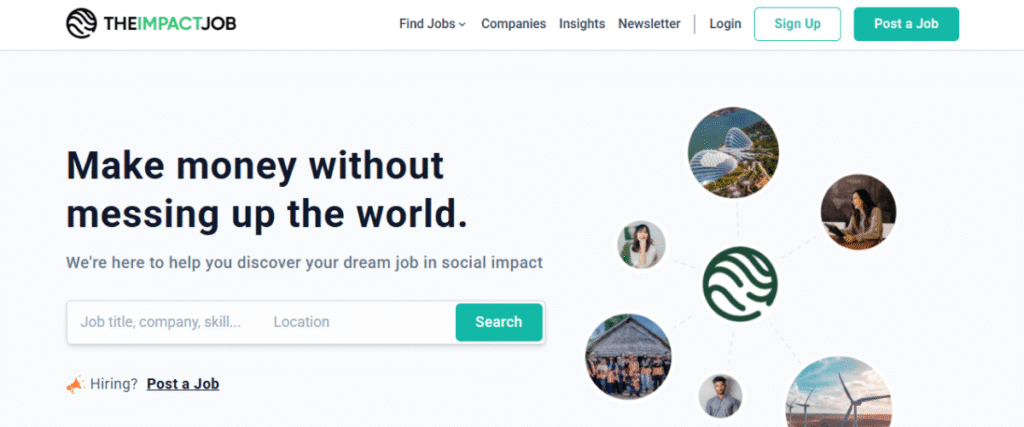
Recruiter Perspective: It’s about quality and curation. Your role gets featured in a newsletter that lands directly in the inbox of environmentally-focused professionals.
Candidate Experience: It takes the “search” out of the job search. You get handpicked opportunities delivered to you once a week, often featuring early-stage startups you won’t find on Indeed.
The Cost: Paid listings and newsletter placements for employers.
Conservation Job Board
This is the “field work” specialist. If you are hiring a wildlife biologist, a park ranger, or a forestry researcher, this is where that community lives. It’s highly academic and research-focused.
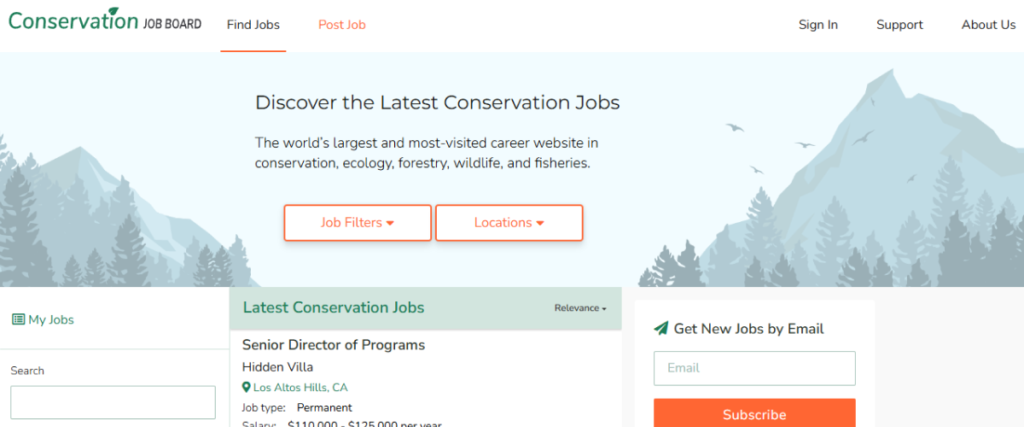
Recruiter Perspective: If you’re hiring field technicians, conservation scientists, wildlife biologists, park rangers, and ecology researchers, this one’s for you. Listings attract candidates with academic and environmental science backgrounds.
Candidate Experience: You can discover seasonal field roles, research assistantships, long-term conservation careers, and graduate opportunities in environmental sciences.
The Cost: Employers pay per listing; discounted rates exist for nonprofits and academic institutions.
Smart Job Search & Hiring Tips for 2026
Don’t Skip Networking Platforms: GitHub (for engineering talent) and Twitter/X continue to be underrated but powerful spaces to connect directly with hiring managers, founders, and recruiters. Many opportunities surface here before ever hitting job boards.
Join Recruiter-Led Communities: Slack and Discord communities are a “hidden” job market. Finding an industry-specific group can get you a referral before the job listings go public.
Check the Source: If you find a job on an aggregator, always click through to the company’s official career page. It ensures the role is still active and that your application goes directly into their system.
Leverage Google: Google aggregates job postings from employer sites, ATS platforms, and job boards. It’s also useful for recruiters monitoring market competition and job title trends.
Use AI Tools to Simplify Job Discovery & Improve Applications: AI job assistants like Job Finder by ChatGPT and JobsGPT help both candidates and recruiters move faster. These tools use conversational search to surface relevant job postings, summarize role requirements, and match skills with open positions.
Final Thoughts
There is no single “perfect” job board. The trick is to use a 1+2 strategy: One massive board for reach (like LinkedIn) and two niche boards for quality (like Wellfound or Climatebase).
Take a moment to map out what you need: skills, industry, work mode, or hiring volume, and choose platforms built for those outcomes.